HOME > Weekly Case > Weekly Case
Weekly Case
종결
Case No. 764
2026-09-01~2026-09-30
출제자 : 박미나
Hit : 469


| Period | 2026-09-01~2026-09-30 |
|---|---|
| Diagnosis | Pituicytoma |
| Gender |
|
| Age | 62 |
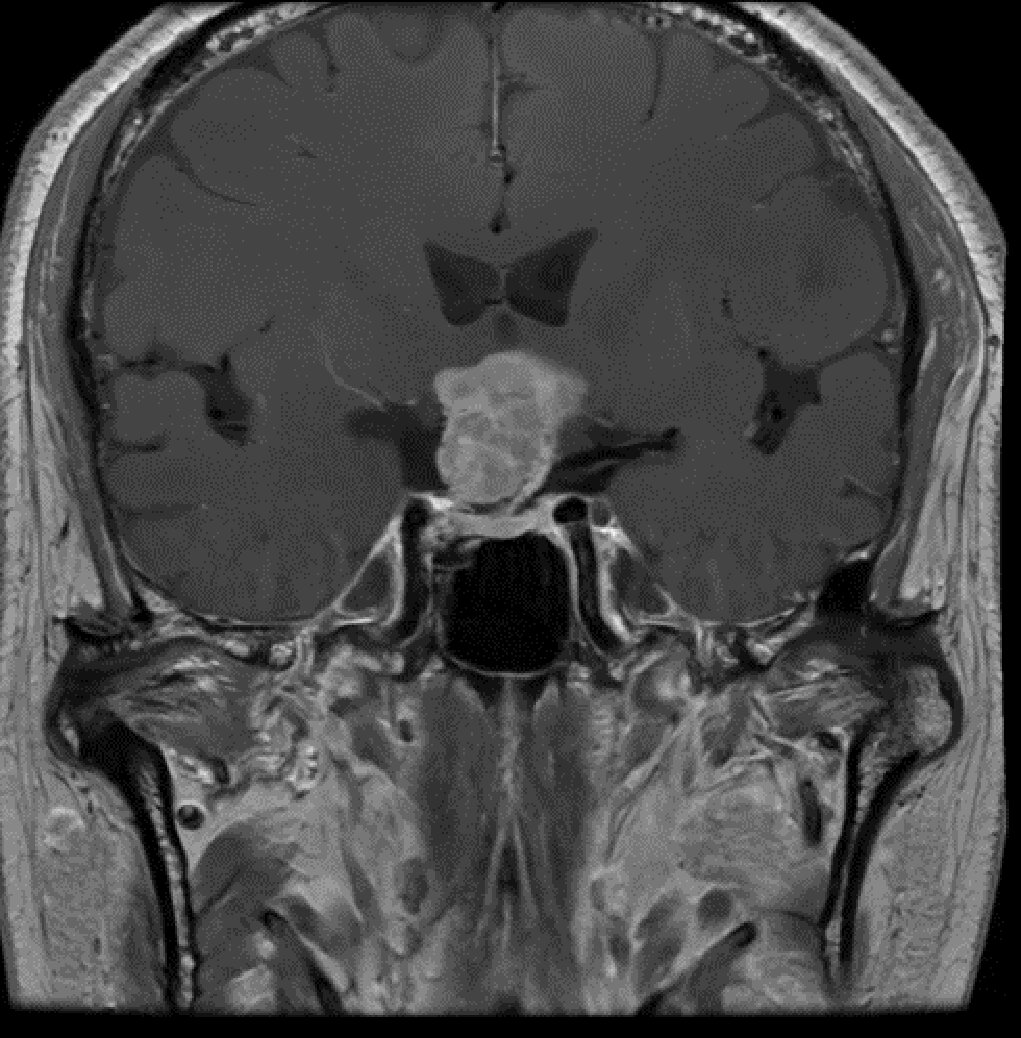
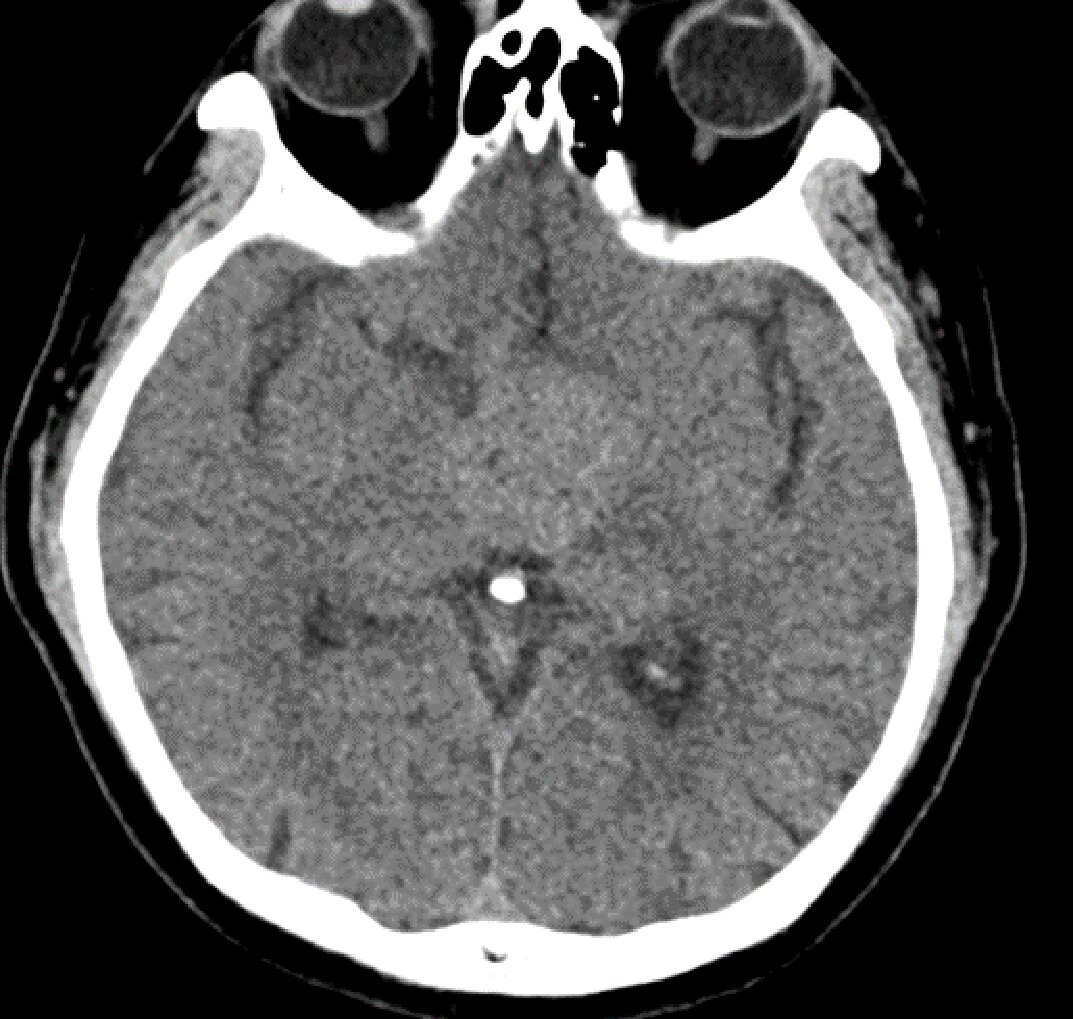
| Clinical information | 62-year-old man who presented with an incidentally discovered suprasellar mass. What is the diagnosis? |
| Discussion | Pituicytoma - Rare low-grade glioma arising from the neurohypophysis - Historically confused with terms such as choristoma, granular cell myoblastoma, infundibuloma, and pilocytic astrocytoma - Closely mimics pituitary adenoma on imaging - Male:female ratio nearly equal, Mean age at diagnosis: 50.3 years - can present as a purely intrasellar, purely suprasellar or combined intra-/suprasellar - Clearly separable from the pituitary gland in 25% of cases - T1WI: mostly isointense to cortex - T2WI: tends to be hyperintense - Homogeneous enhancement - Most characteristic imaging pattern: a purely intrasellar mass clearly separate from the pituitary gland - Most common presenting symptom: visual disturbance - Followed by headache, fatigue, decreased libido, hypopituitarism - Diabetes insipidus is rare - Unlike adenomas, pituicytomas are highly vascular, with risk of unexpected heavy intraoperative bleeding - Frequently misdiagnosed preoperatively as adenoma Reference: Covington MF, et al. Pituicytoma, Spindle Cell Oncocytoma, and Granular Cell Tumor. AJNR 2011;32(11):2067-2072. |
| Correct answer |
Correct Answer
Semi-Correct Answer |
Submit answer
Answer submission list
The written answers can only be viewed by the administrator and author.
The written answers can only be viewed by the administrator and author.