HOME > Weekly Case > Weekly Case
Weekly Case
종결
Case No. 762
2026-09-01~2026-09-30
출제자 : 박미나
Hit : 290
| Period | 2026-09-01~2026-09-30 |
|---|---|
| Diagnosis | Erdheim-Chester disease |
| Gender |
|
| Age | 72 |
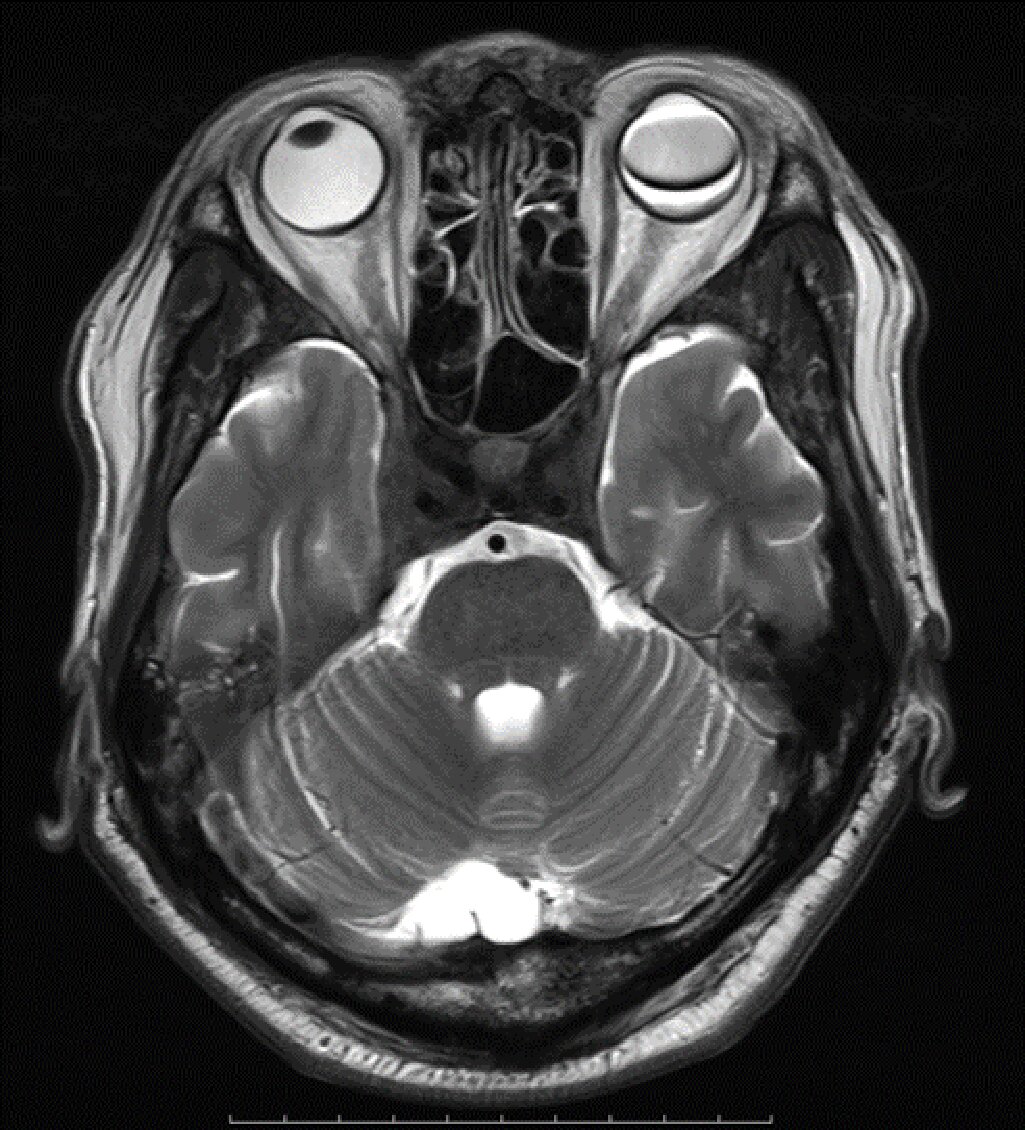
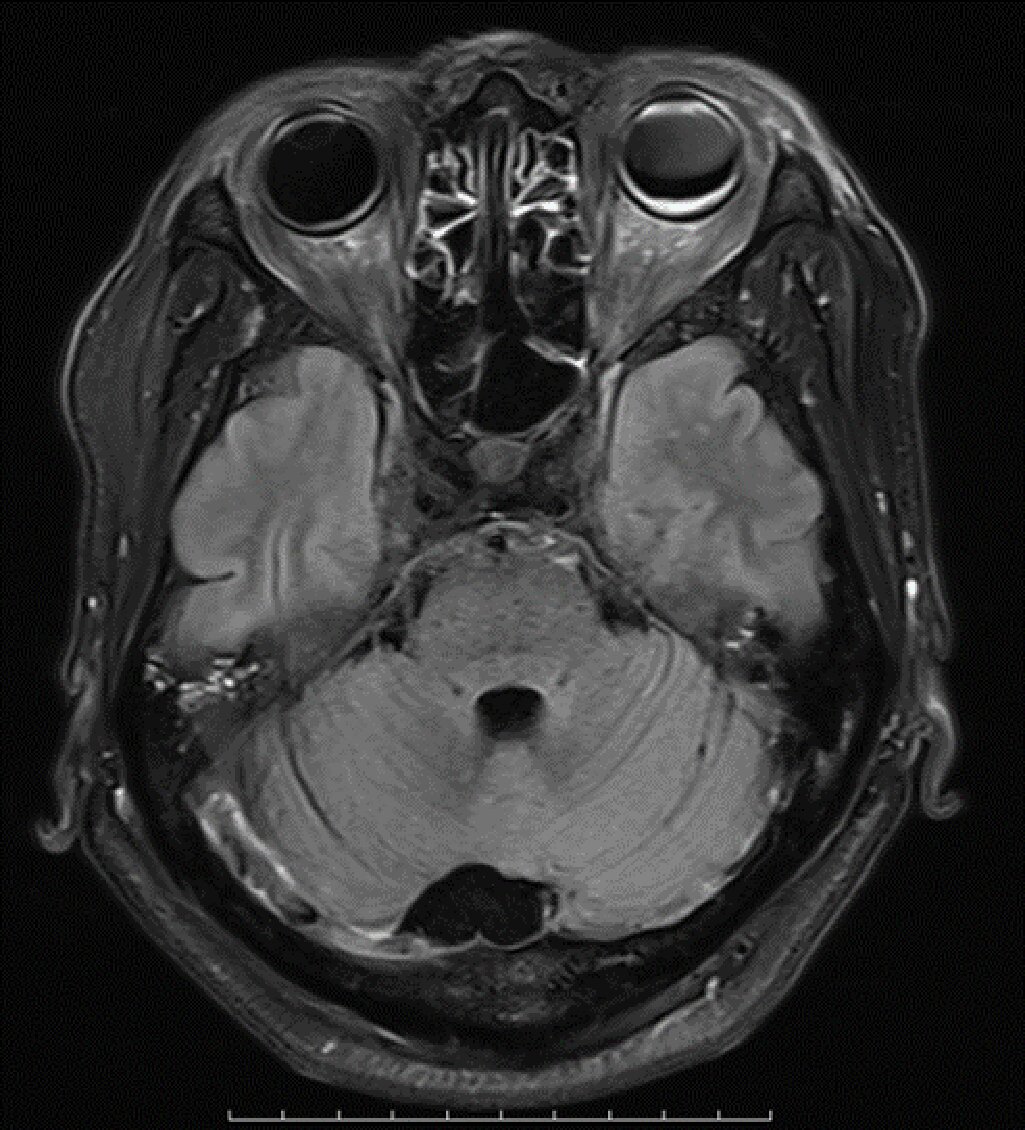
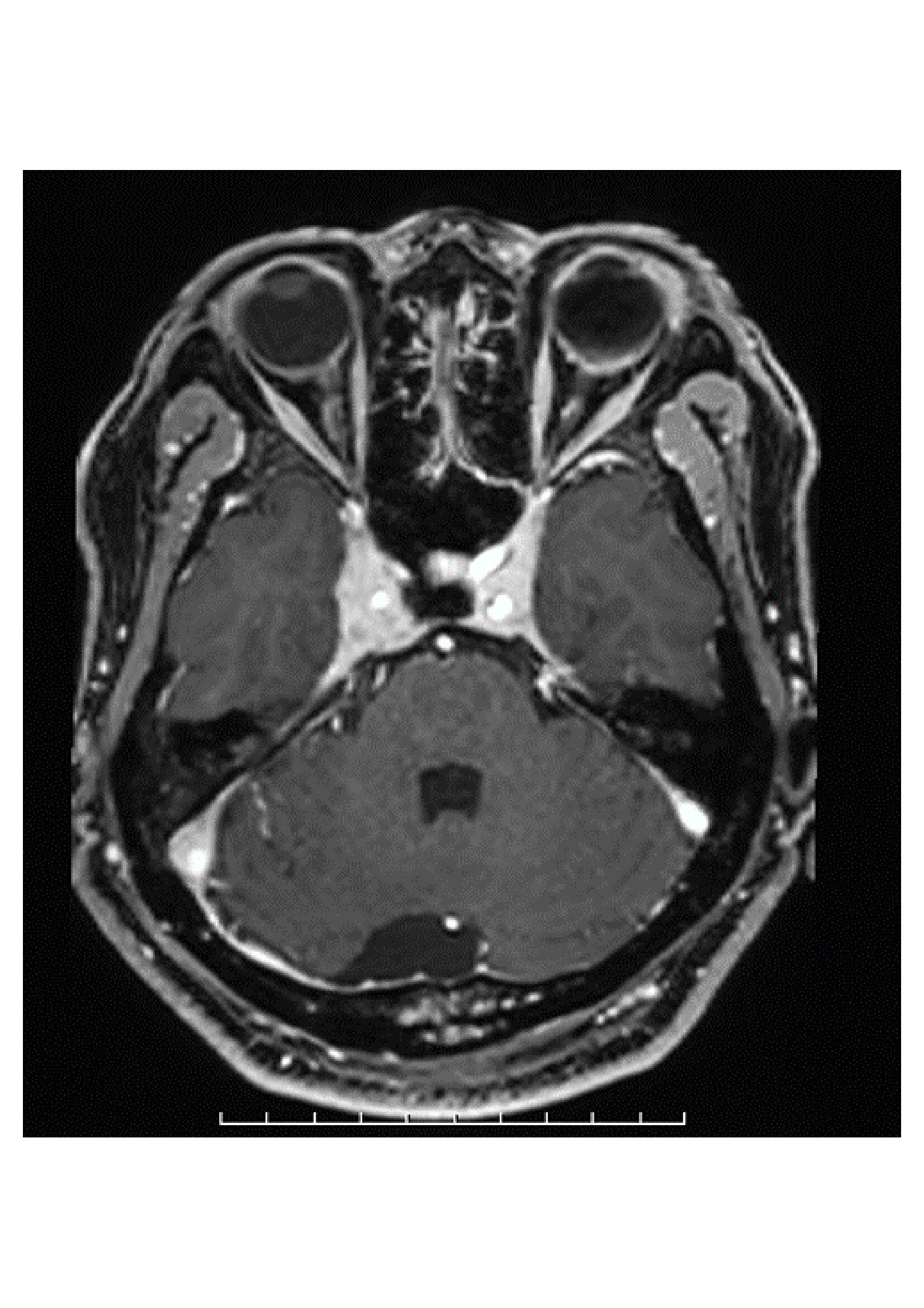
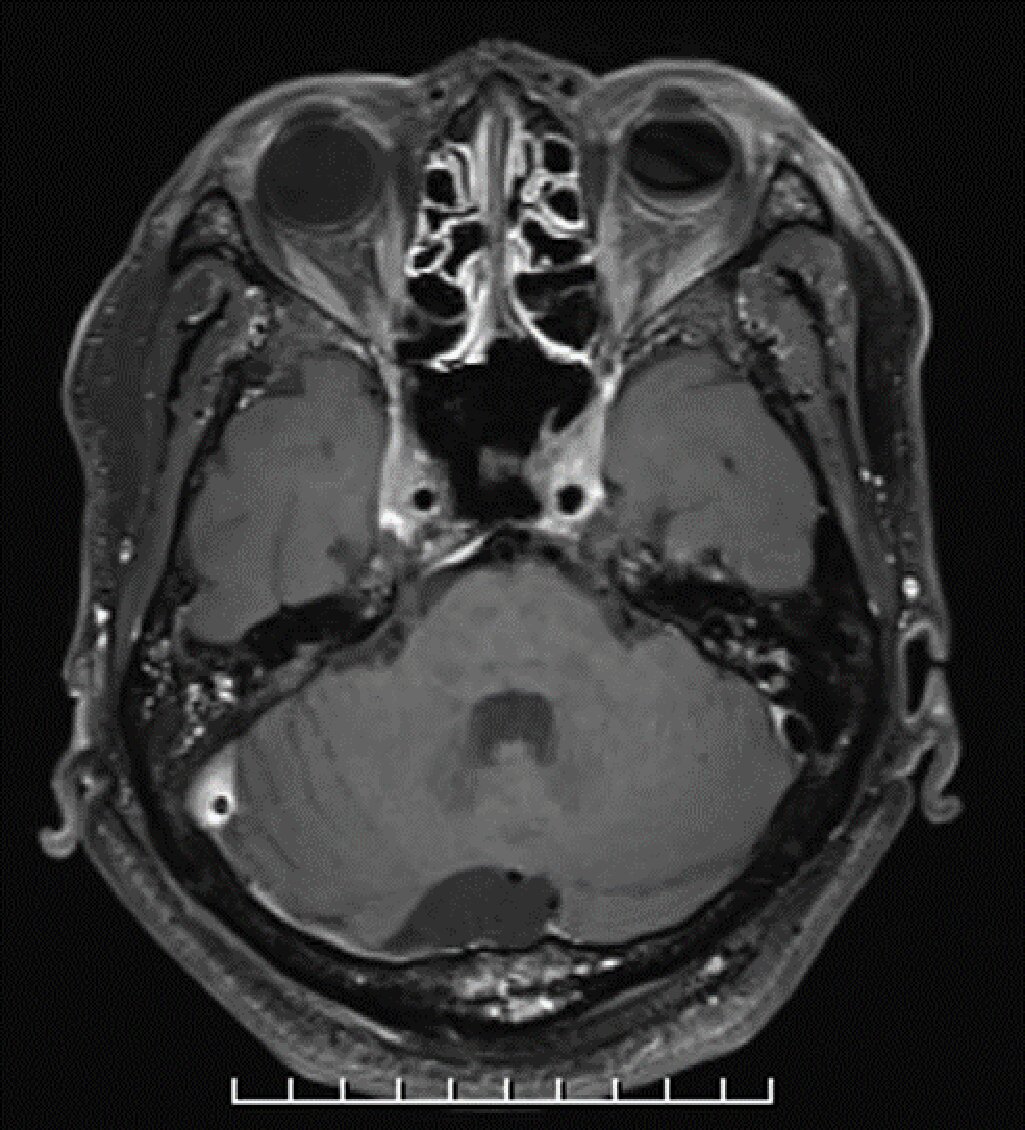
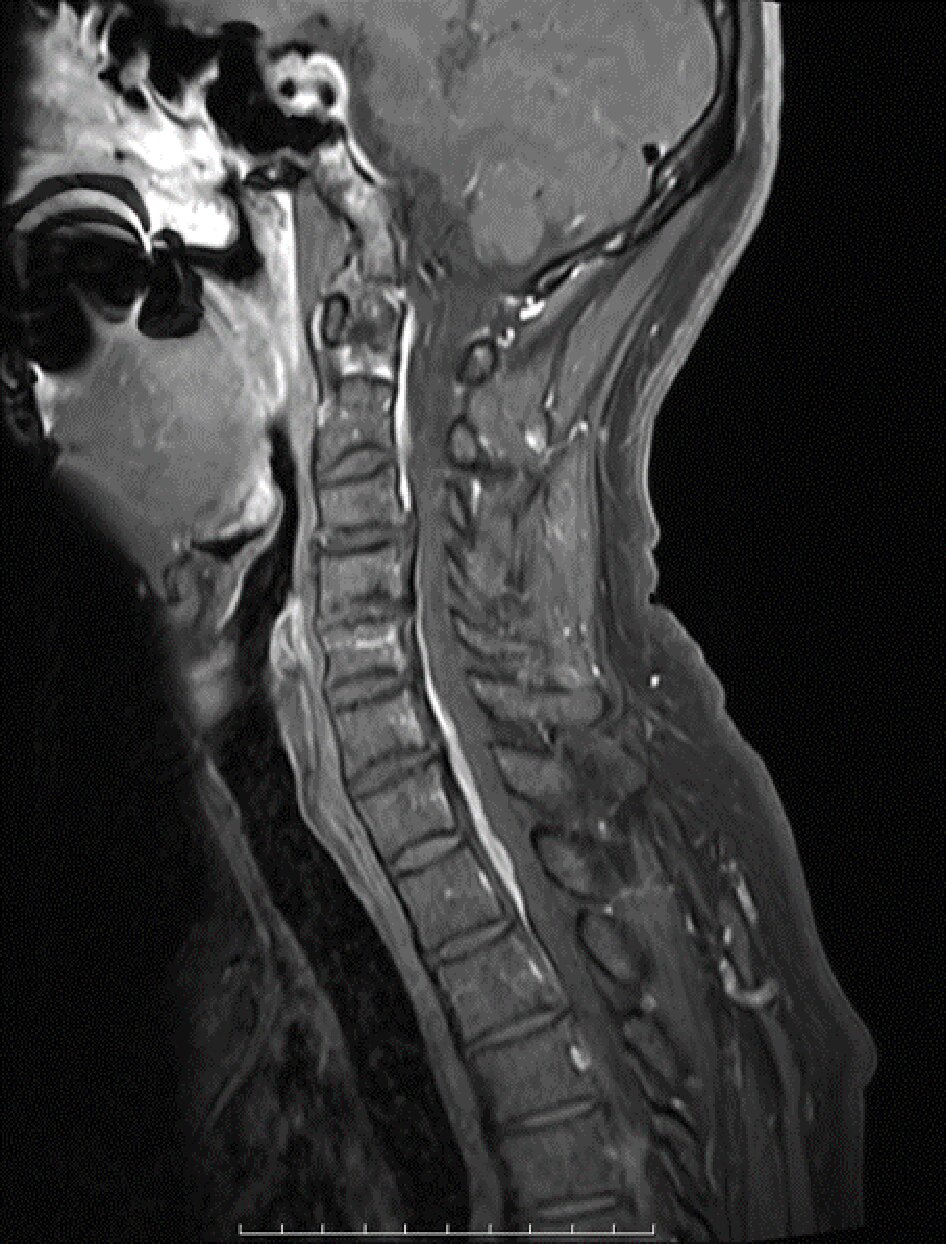
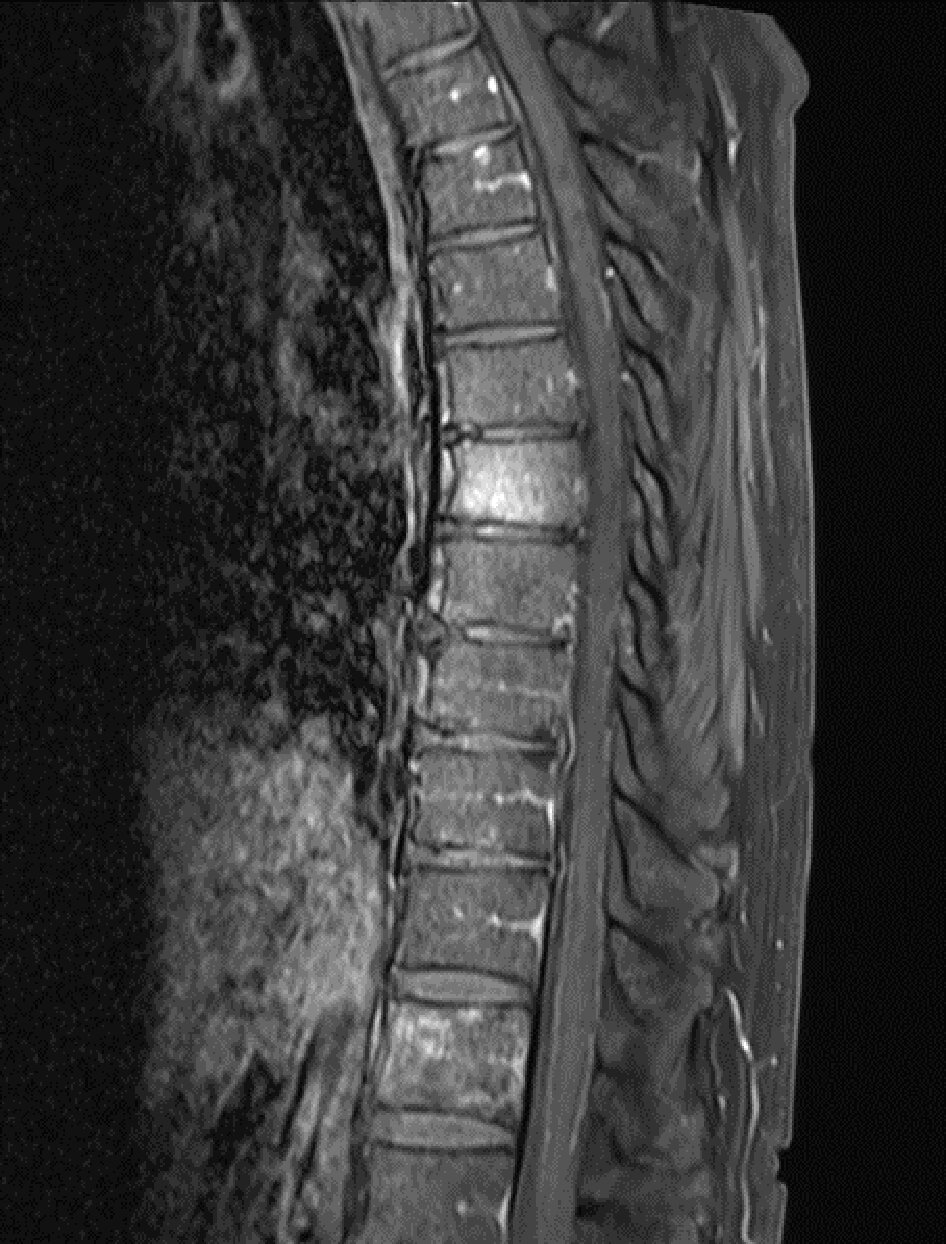
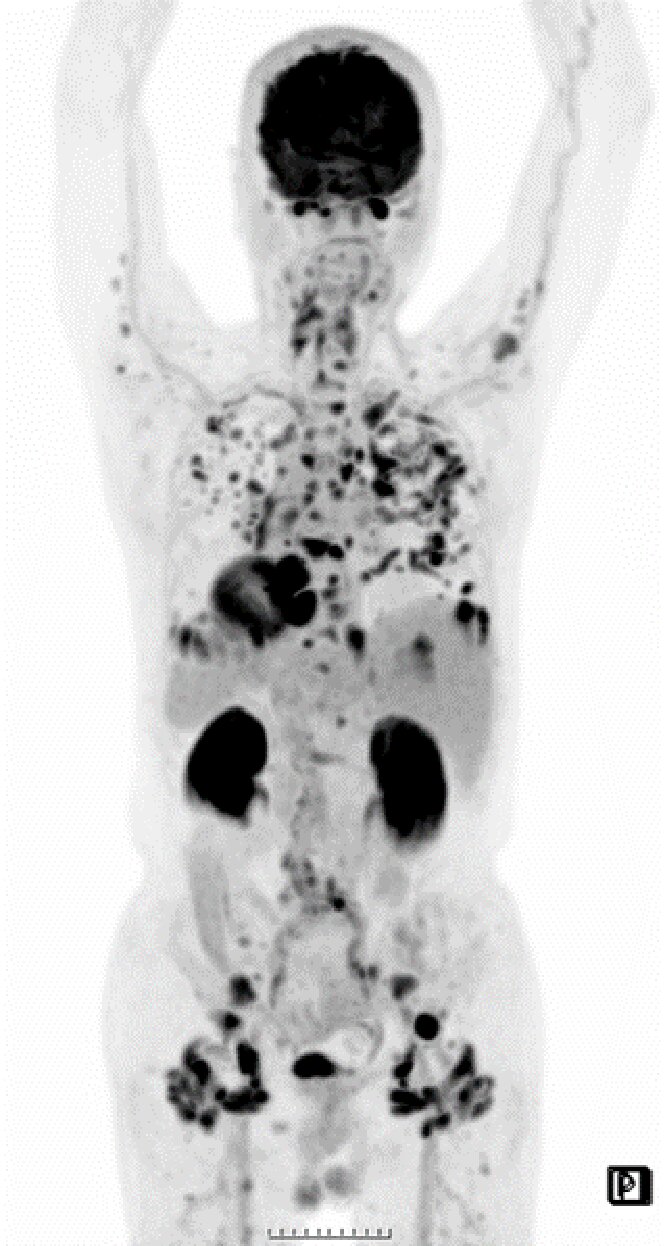
| Clinical information | 72-year-old male who presented with decreased vision and generalized pain. What is the diagnosis? |
| Discussion | Erdheim-Chester disease - Rare non-Langerhans cell histiocytosis - BRAFV600E mutation in ~60–70%; CD68+/CD163+, CD1a(–) - 5th–6th decade, M>F - Long bone sclerosis (95%) is classic systemic finding - CNS involvement in 25–76%, an independent poor prognostic factor - Atrophy: cerebral/cerebellar volume loss ("pseudo-degenerative") - Parenchymal lesions: micro/nodular/mass-like, T2 prolongation, variable enhancement, minimal edema, no diffusion restriction - Hypothalamic pituitary axis involvement (17–44%): loss of posterior pituitary bright spot → stalk thickening - Vascular involvement (10–17%, ECD-specific): periadventitial sheathing of posterior fossa vessels (basilar/vertebral) - Dura/meninges: dural-based masses (mimic meningioma), leptomeningeal enhancement (uncommon) - Craniofacial (40–50%): osteosclerotic calvarium/skull base/sinuses - Orbit (18–30%): bilateral, intraconal predominant, optic nerve sheath involvement common Langerhans Cell Histiocytosis, Rosai-Dorfman disease, Neurosarcoidosis, Metastasis Reference: Rai P, et al. Neuroimaging Spectrum of Erdheim-Chester Disease: An Image-based Review. AJNR 2024. doi:10.3174/ajnr.A8599 |
| Correct answer |
Correct Answer
Semi-Correct Answer |
Submit answer
Answer submission list
The written answers can only be viewed by the administrator and author.