HOME > Weekly Case > Weekly Case
Weekly Case
종결
Case No. 748
2026-03-01~2026-03-31
출제자 : 신일아
Hit : 470
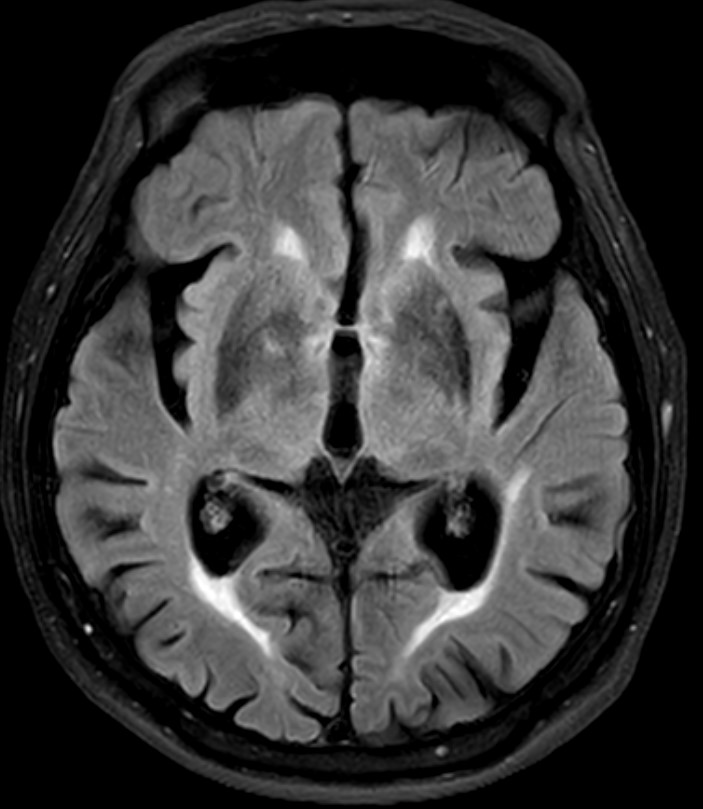
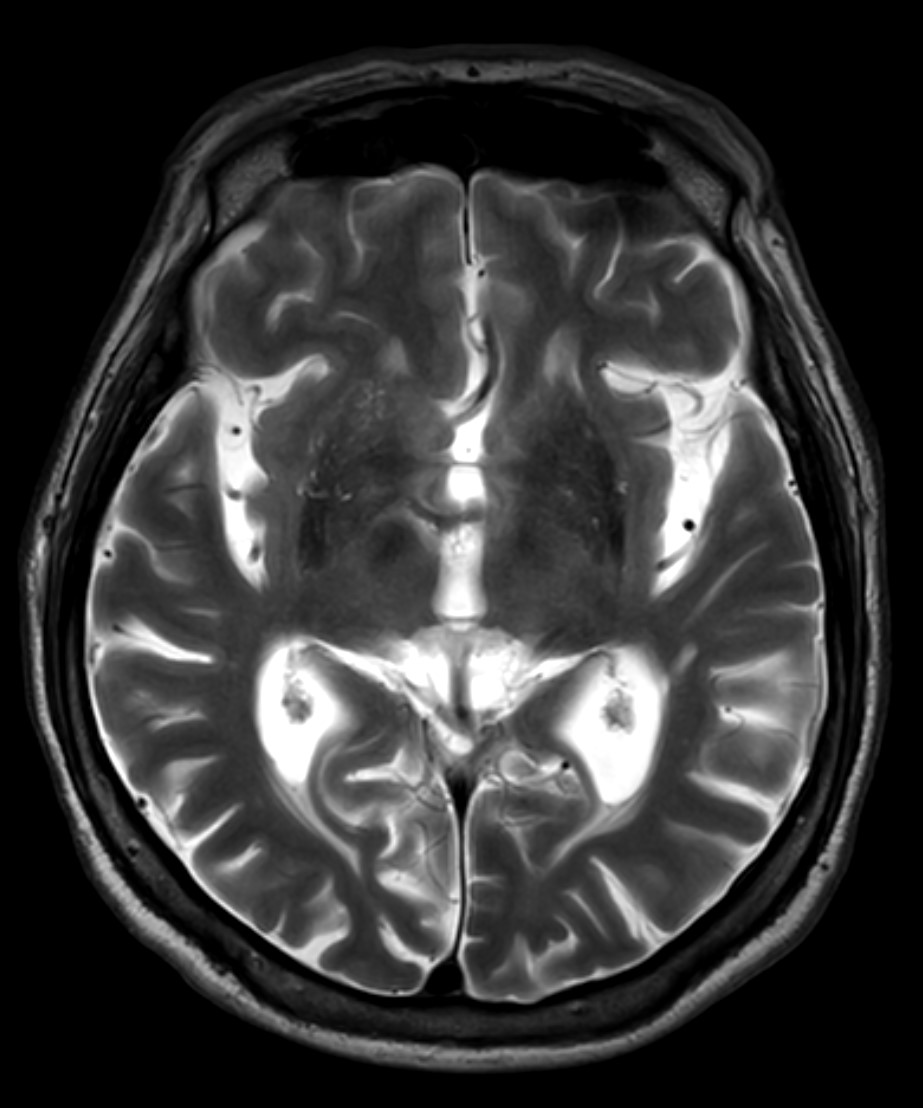
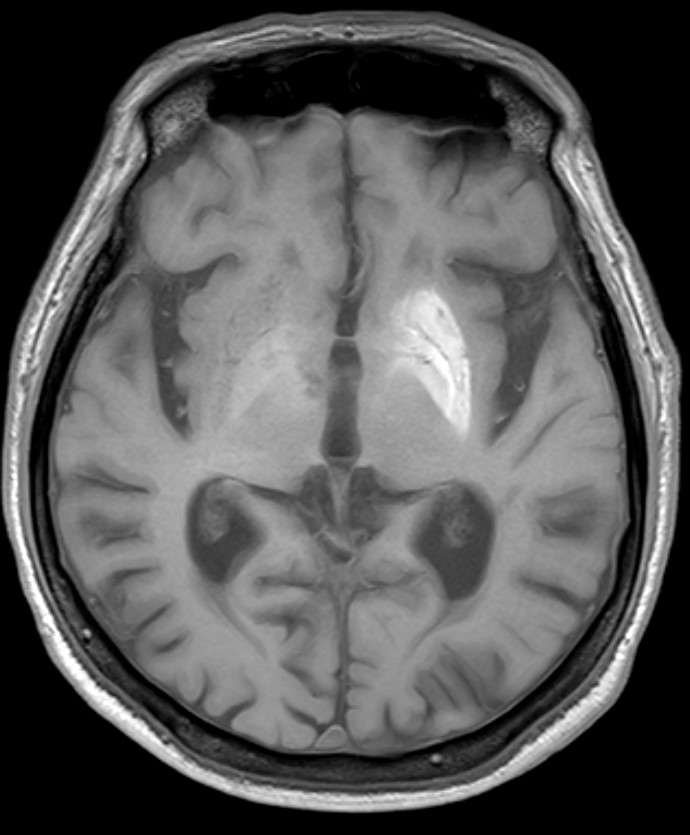
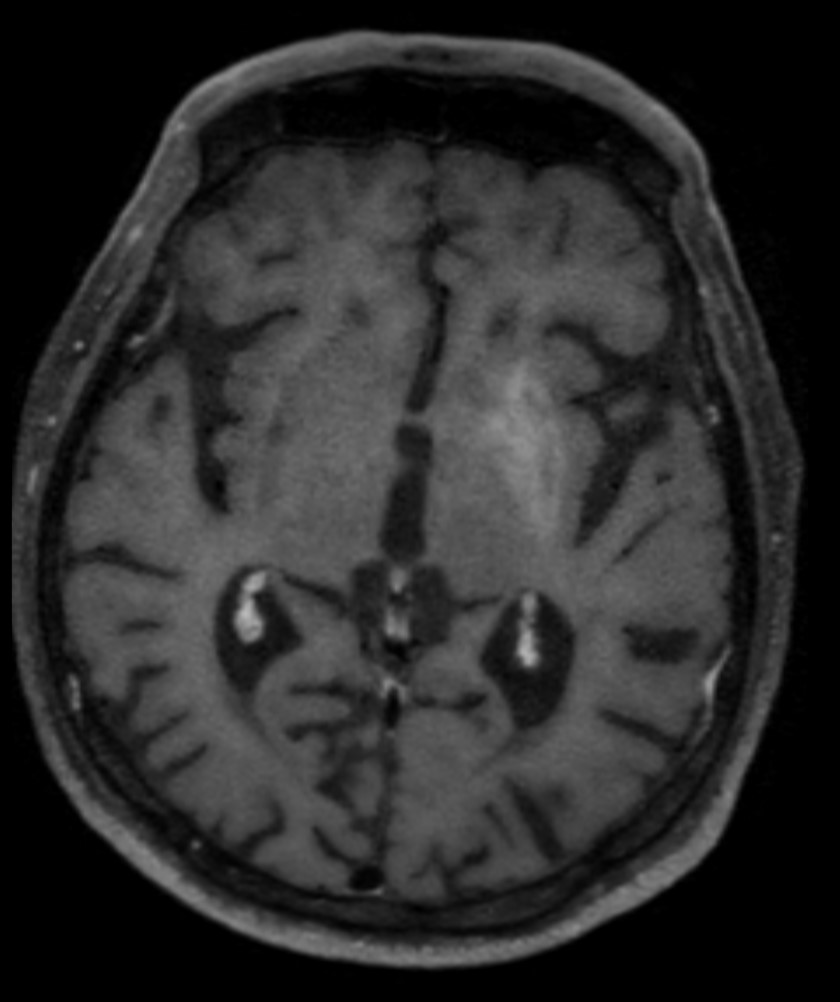
| Period | 2026-03-01~2026-03-31 |
|---|---|
| Diagnosis | Chorea–Hyperglycemia–Basal Ganglia (CHBG) syndrome |
| Gender |
|
| Age | 82 |
| Clinical information | M/82 Chief complaint: right side involuntary movement (chorea), progressing for 1 year Past history: severe aortic stenosis, HTN/DM/dyslipidemia +/+/+ A patient with the above past medical history visited the clinic with the chief complaint of progressively worsening involuntary movements on the right side over the past year. What is the diagnosis? |
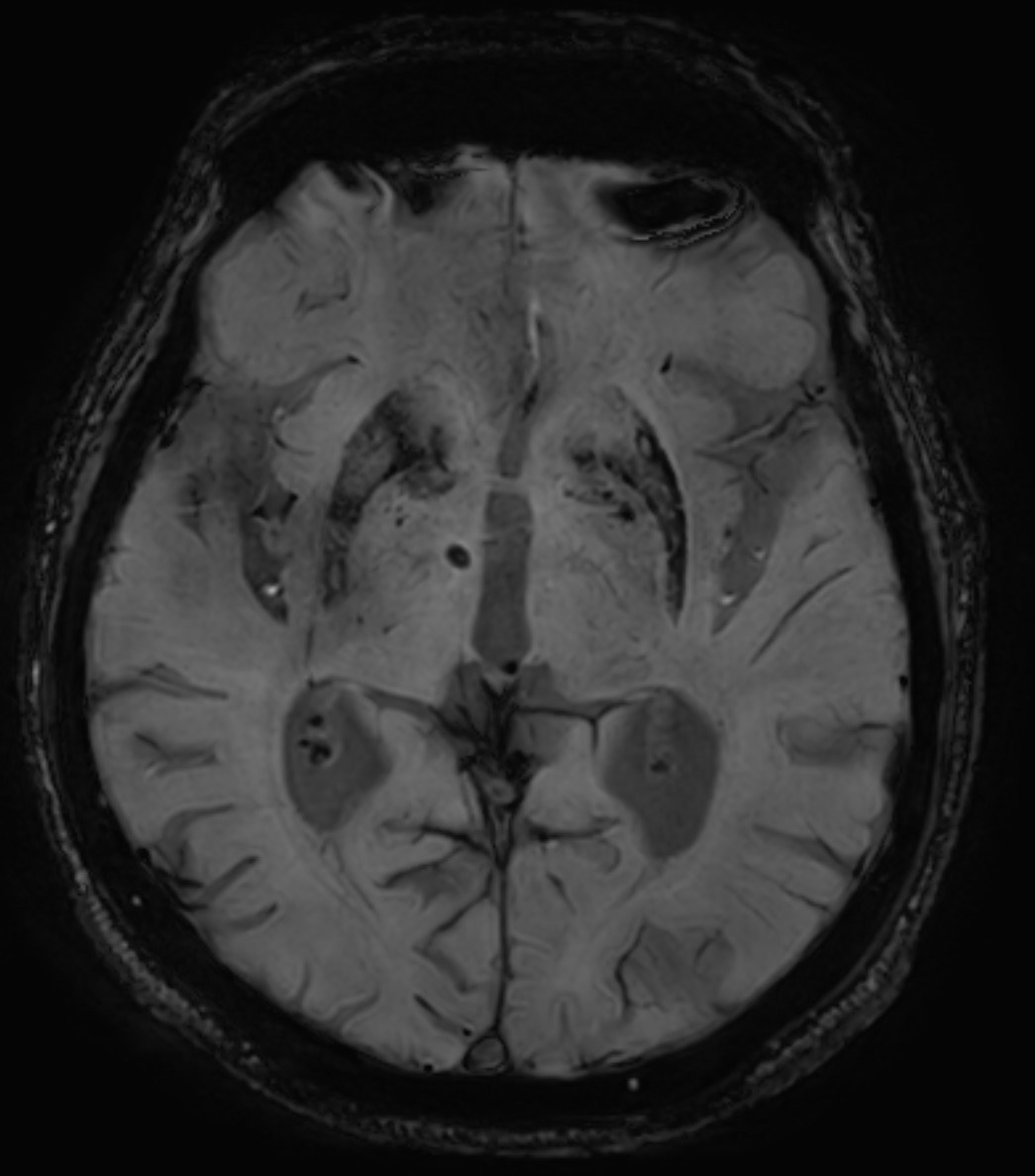
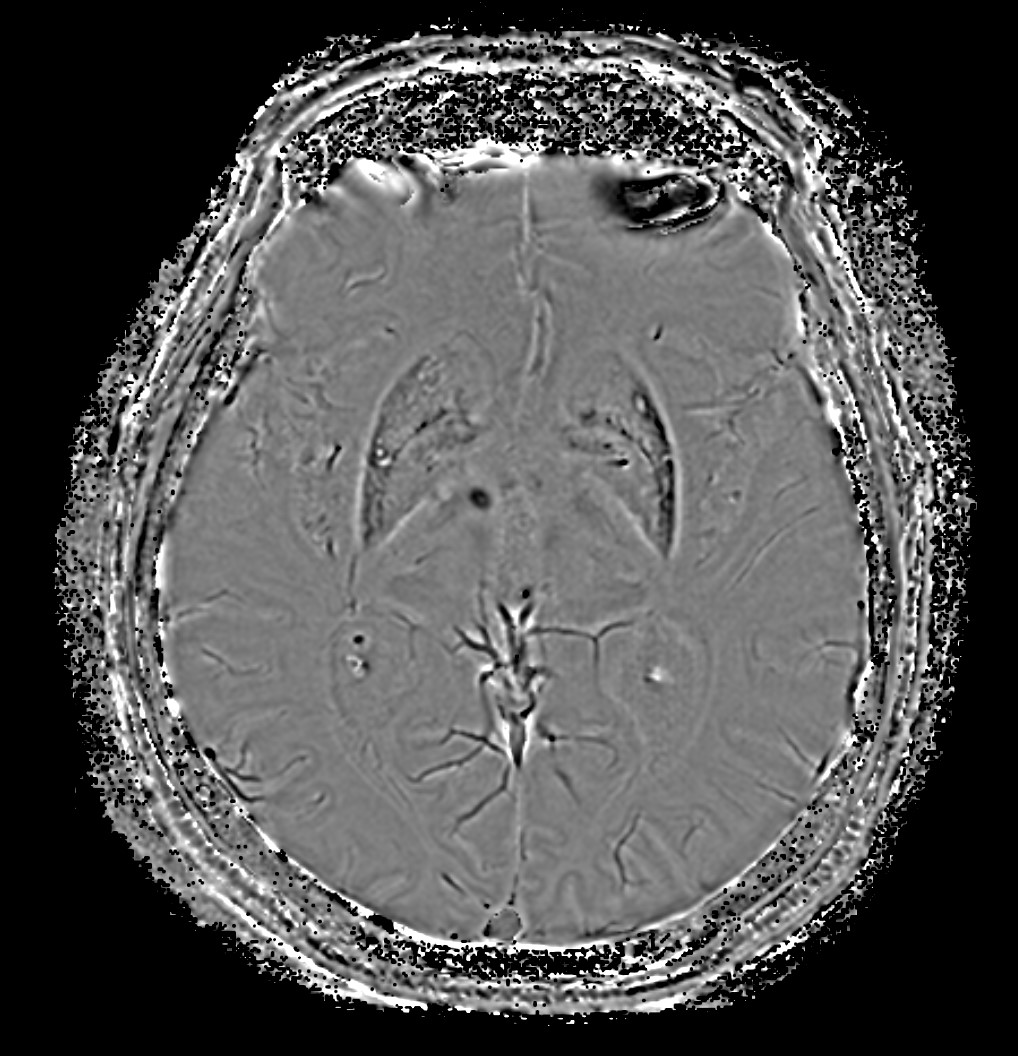
| Discussion | Chorea–Hyperglycemia–Basal Ganglia (CHBG) syndrome, also referred to as diabetic striatopathy, is a rare metabolic complication of poorly controlled diabetes mellitus that presents with hemichorea or hemiballismus. The characteristic imaging abnormality involves the contralateral basal ganglia, particularly the putamen and caudate nucleus. On MRI, the most typical finding is high signal intensity in the striatum on T1-weighted imaging, usually without a corresponding marked abnormality on T2-weighted sequences. The lesion most commonly involves the putamen, sometimes extending to the caudate nucleus and globus pallidus, and is typically unilateral, corresponding to the side opposite the patient’s involuntary movements. Diffusion restriction is usually absent or mild. Susceptibility-weighted imaging may show subtle signal drop, although frank hemorrhage is uncommon. On CT, the affected basal ganglia may appear hyperdense, which correlates with the T1 hyperintensity seen on MRI (DWI/ADC and CT findings not evaluated in present case). The exact pathophysiology is not fully understood but is thought to involve metabolic disturbance, astrocytic swelling, petechial hemorrhage, or protein/gemistocytic accumulation within the striatum. Importantly, these imaging abnormalities are often reversible, and both the clinical symptoms and radiologic findings may improve after correction of hyperglycemia. |
| Correct answer |
Correct Answer
Semi-Correct Answer |
Submit answer
Answer submission list
The written answers can only be viewed by the administrator and author.