HOME > Weekly Case > Weekly Case
Weekly Case
종결
Case No. 734
2025-10-01~2025-10-31
출제자 : 정소영
Hit : 508
| Period | 2025-10-01~2025-10-31 |
|---|---|
| Diagnosis | Toxoplasmosis |
| Gender |
|
| Age | 68 |
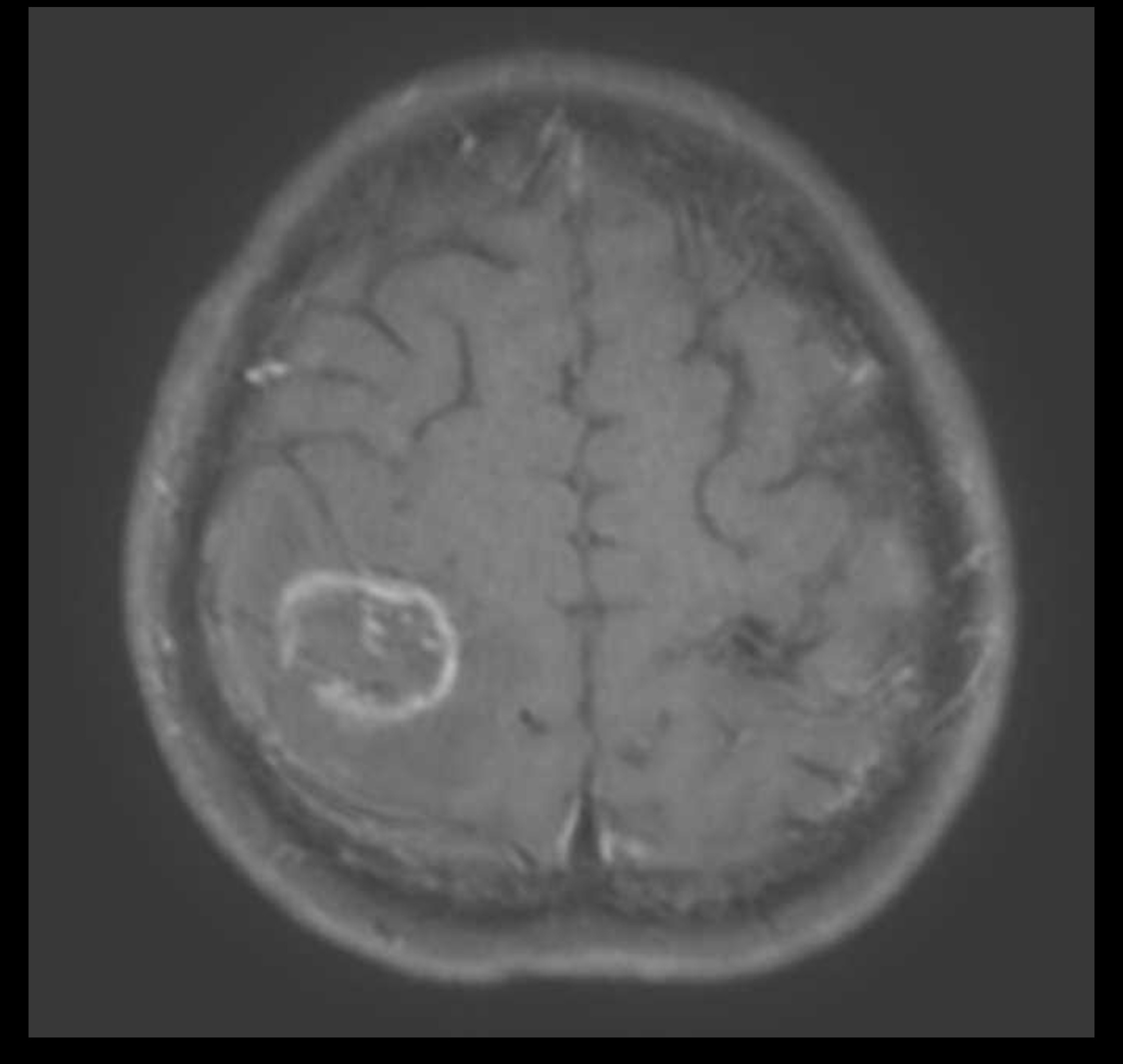
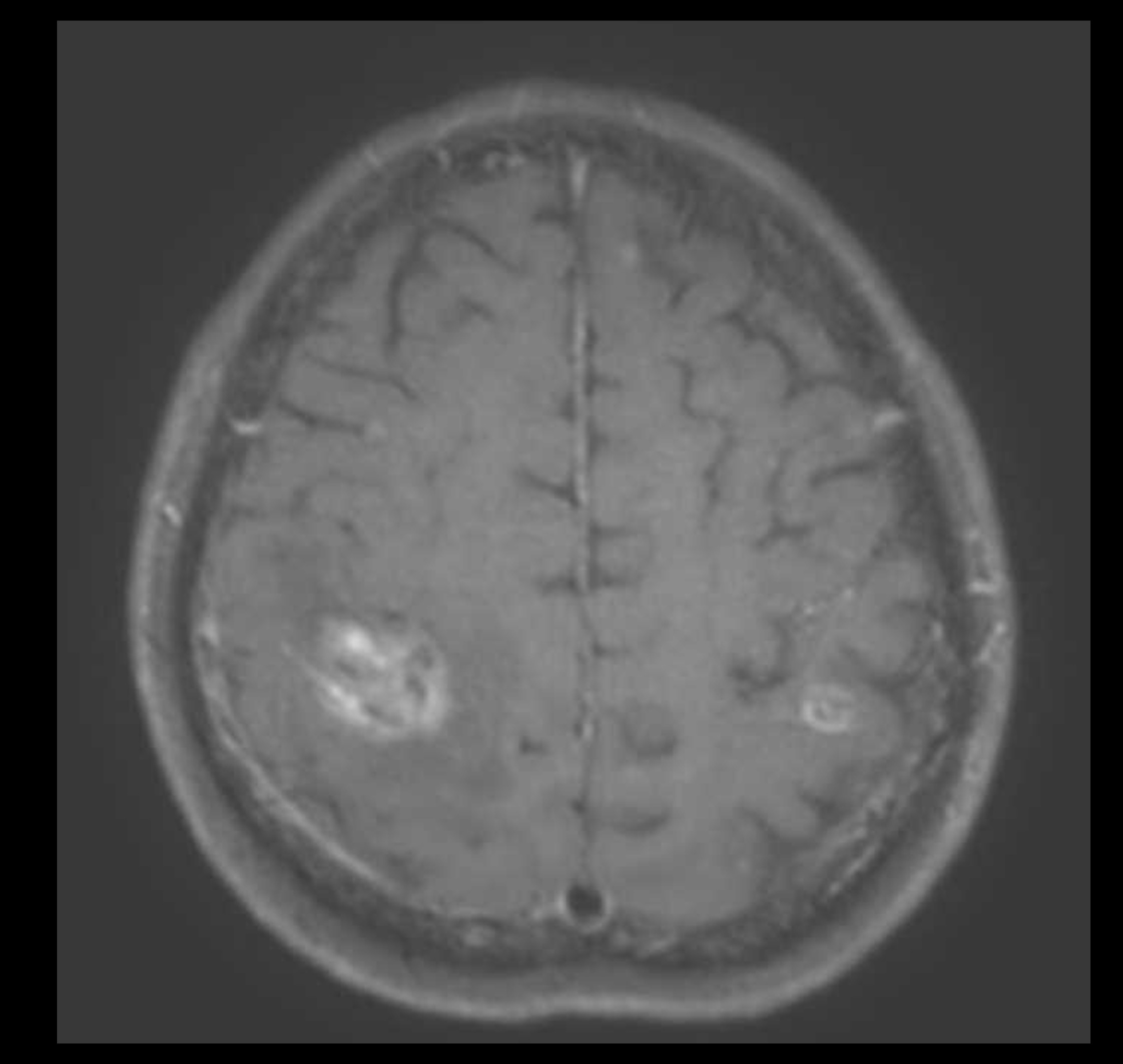
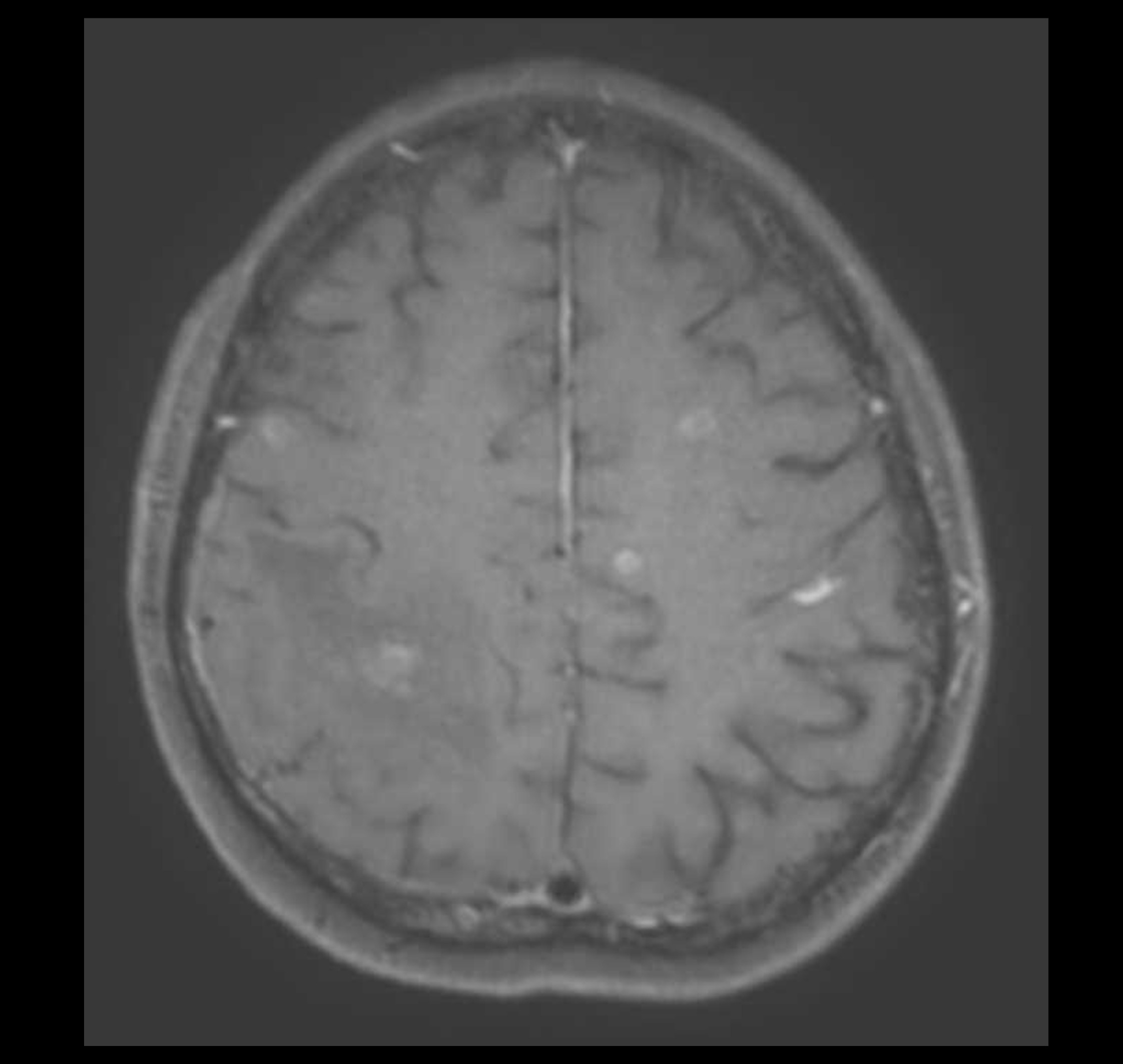
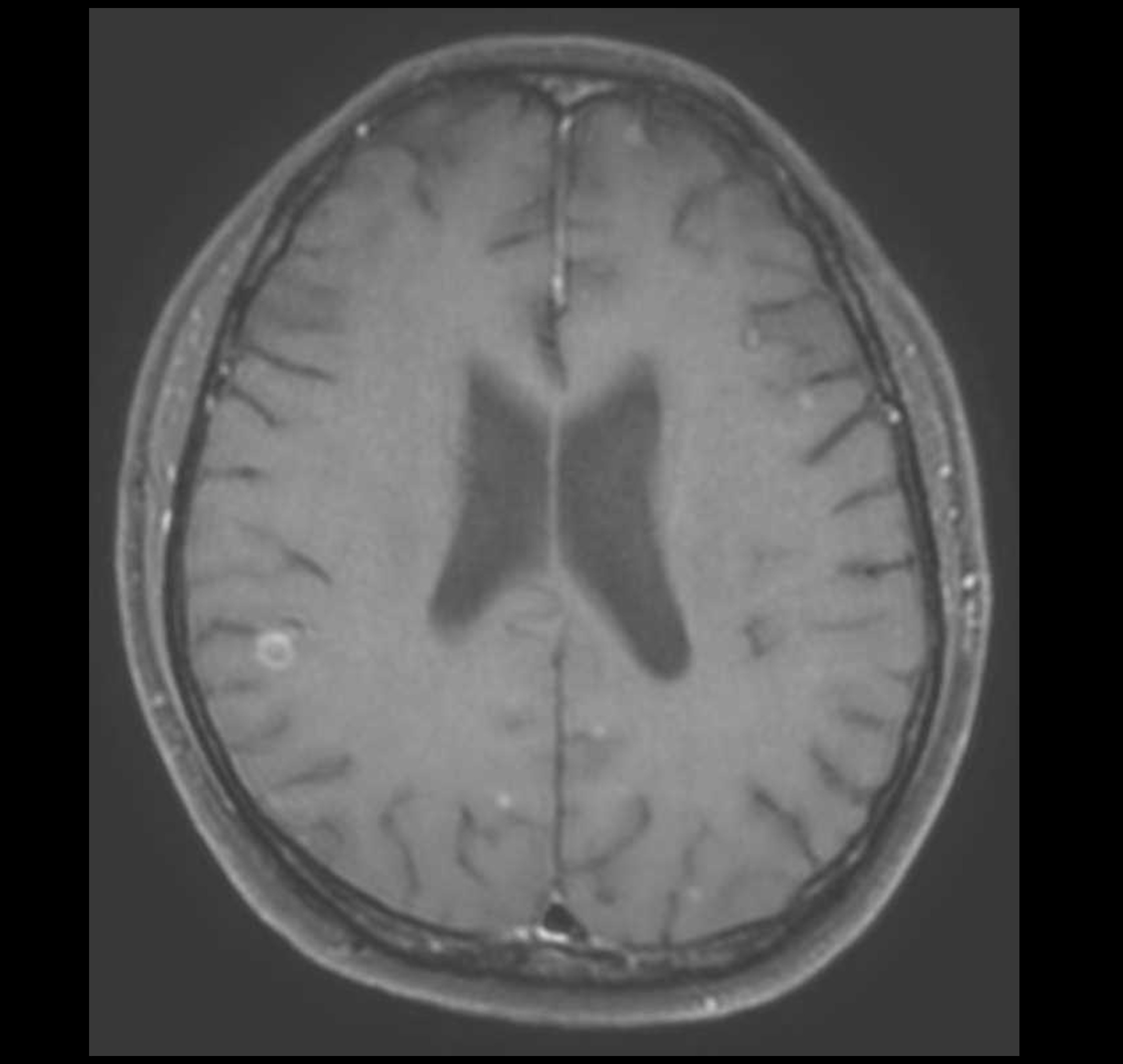
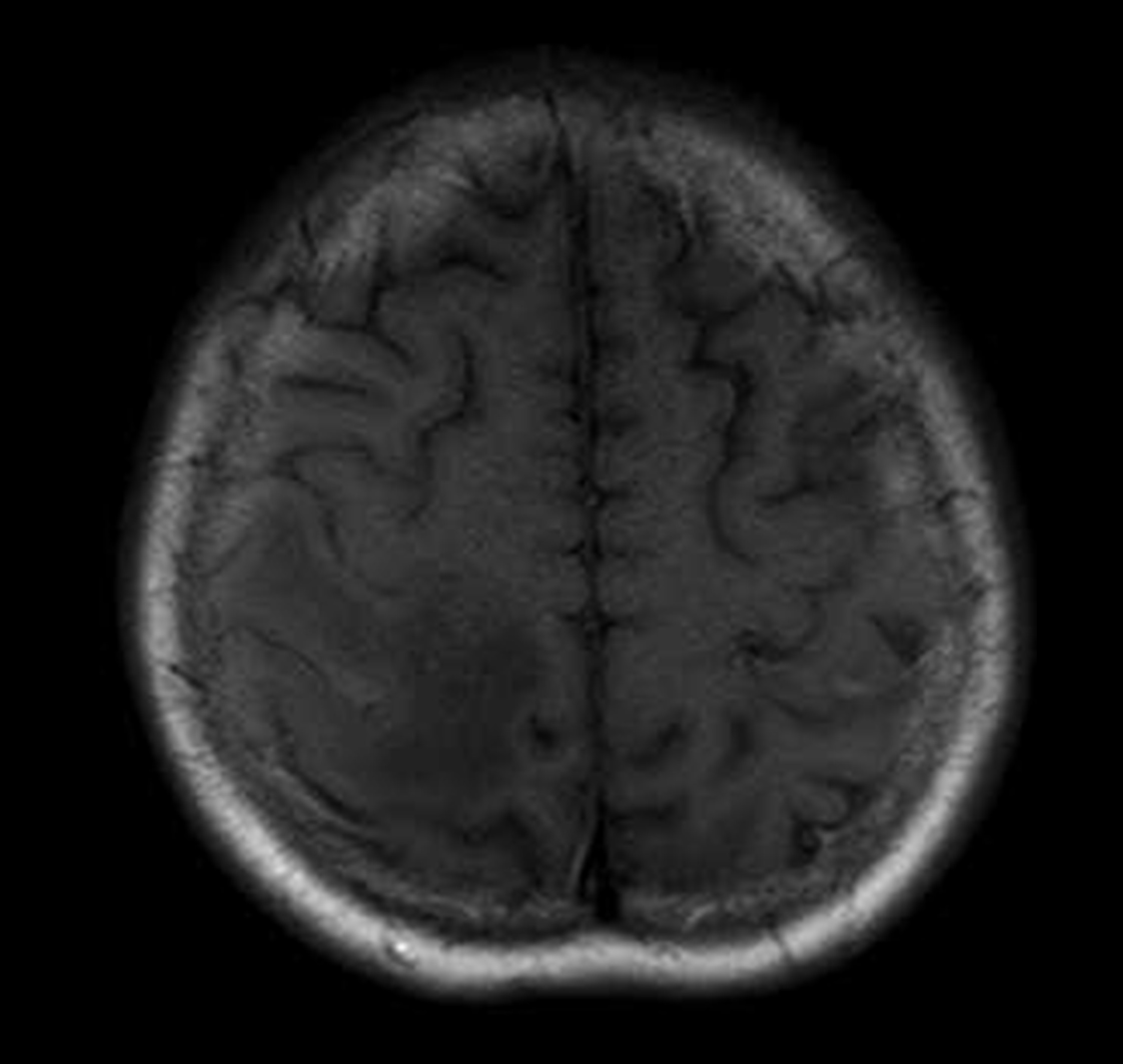
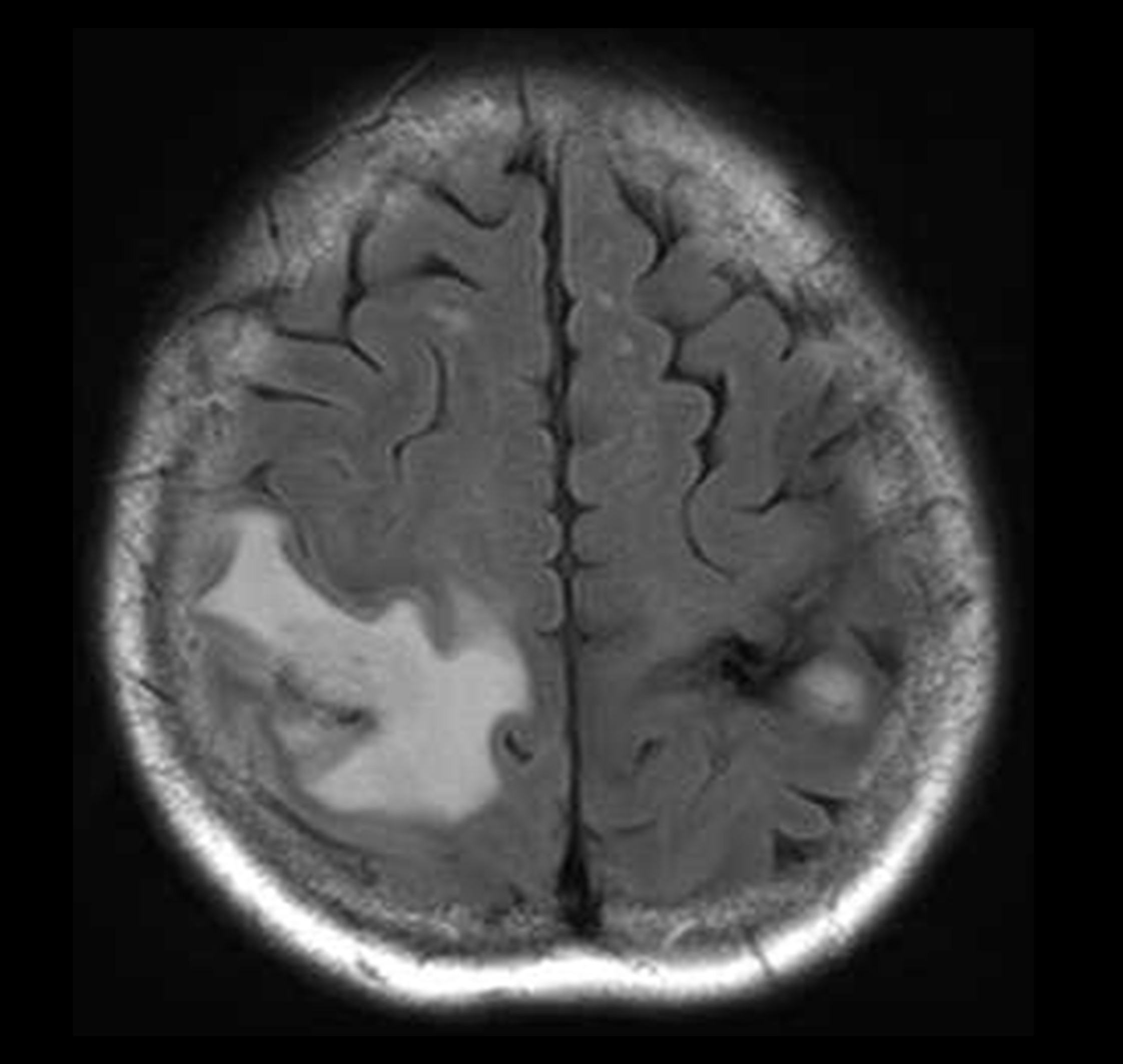
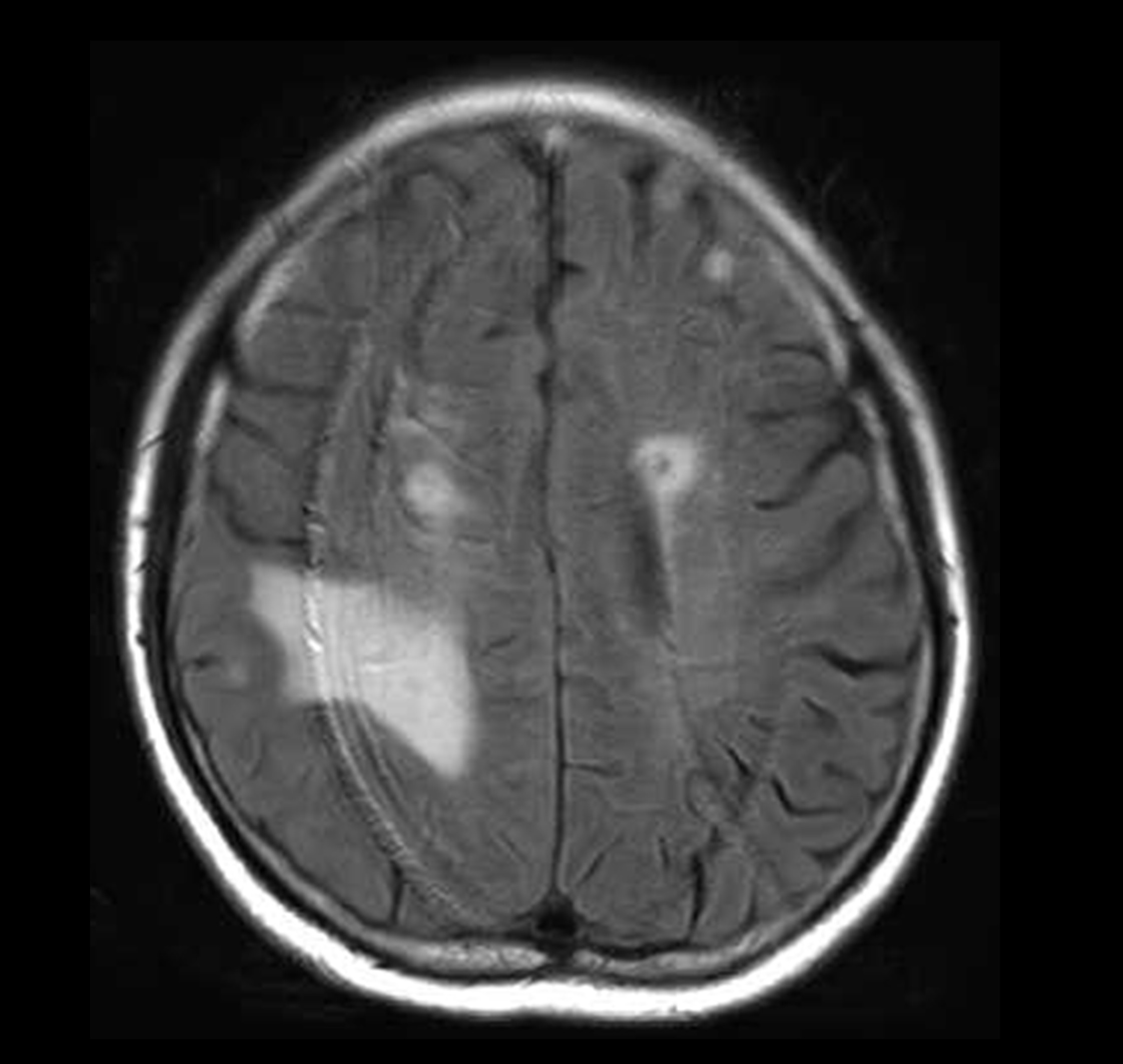
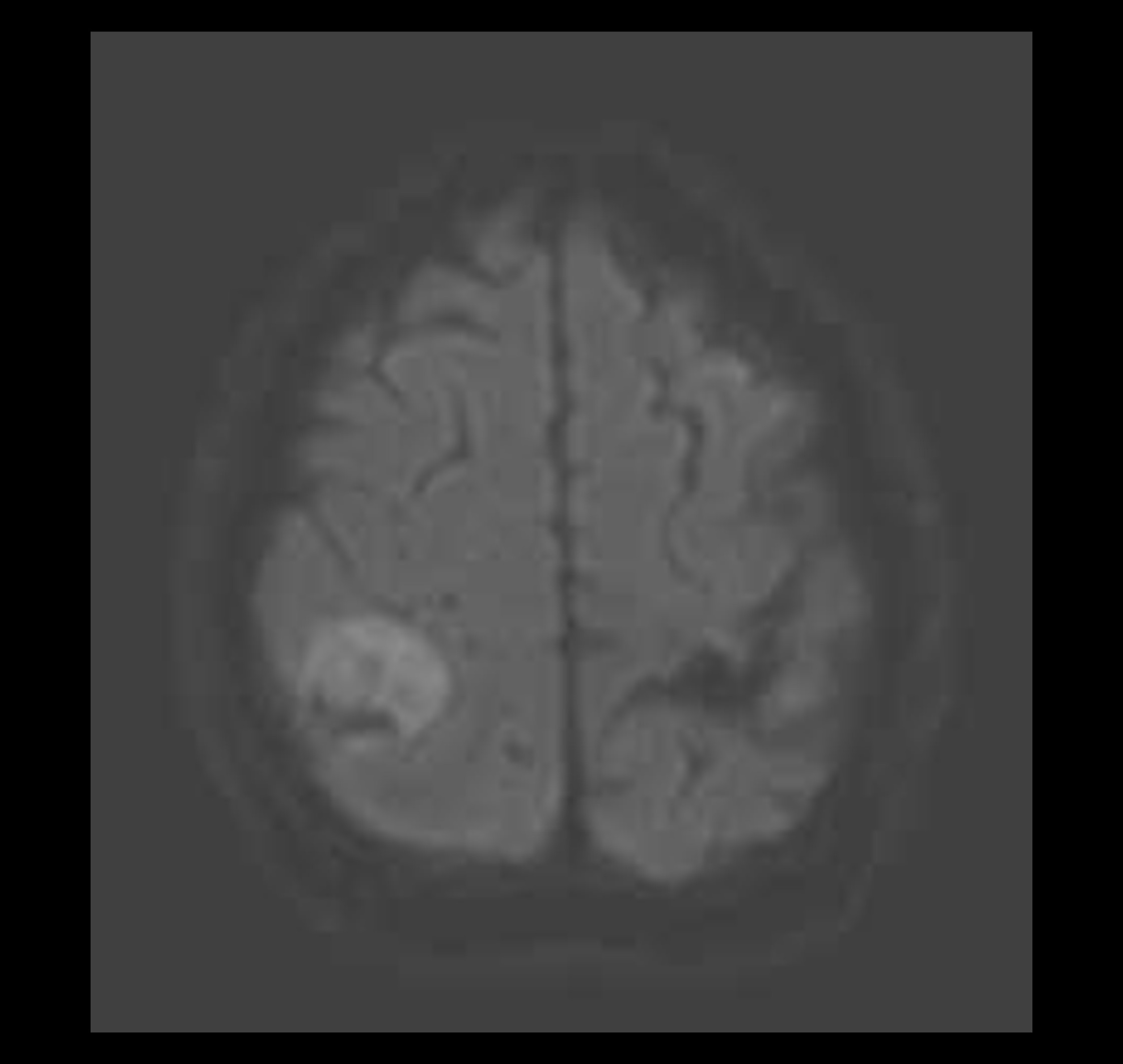
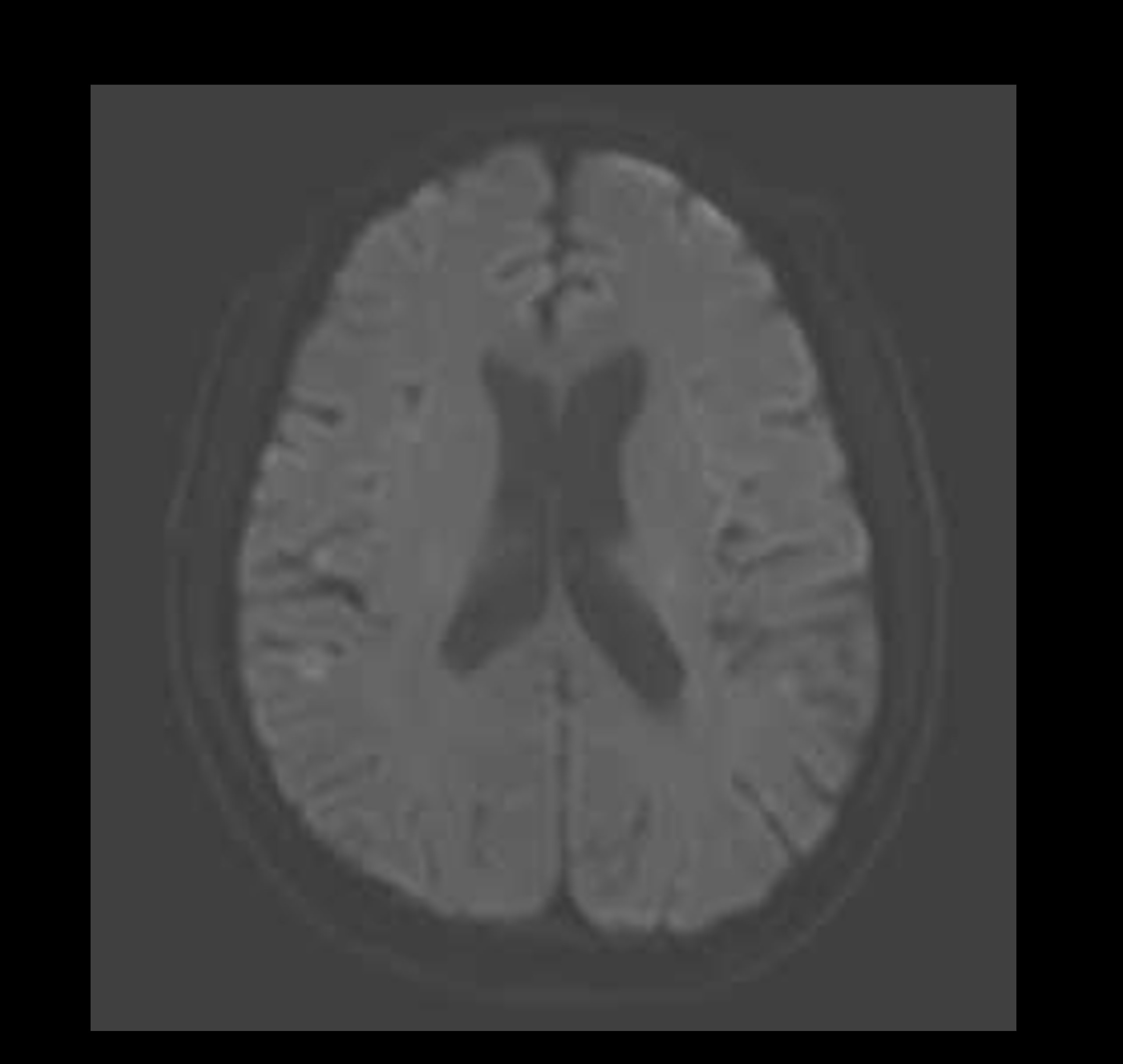
| Clinical information | M/68Y C.C> Partial seizure Past medical history> Heart transplantation due to ischemic cardiomyopathy what was the your diagnosis? |
| Discussion | Toxoplasmosis is an infectious disease caused by the protozoan parasite Toxoplasma gondii. It can infect humans and many warm-blooded animals worldwide. In healthy individuals, the infection is often asymptomatic or causes mild flu-like symptoms. However, in immunocompromised patients (such as those with HIV/AIDS, organ transplant recipients, or undergoing chemotherapy), it can cause severe and life-threatening manifestations, especially involving the central nervous system. Neurologically, toxoplasmosis can cause encephalitis, presenting with headache, seizures, altered mental status, hemiparesis, and focal neurological deficits. Toxoplasmic retinochoroiditis is another manifestation that affects vision. Radiologic features, particularly on brain imaging, are crucial for diagnosis. On MRI, cerebral toxoplasmosis typically shows multiple ring-enhancing lesions predominantly in the basal ganglia, corticomedullary junction, and thalamus. These lesions appear hypointense on T1-weighted images and hyperintense on T2-weighted images with surrounding edema causing mass effect. The ring enhancement pattern is characteristic due to central necrosis with a surrounding inflammatory reaction. Diffusion-weighted imaging generally shows no restricted diffusion, helping differentiate toxoplasmosis from other ring-enhancing lesions such as lymphoma. Contrast-enhanced CT can also reveal similar ring-enhancing lesions but with lower sensitivity than MRI. Reference Layton, J., Theiopoulou, D. C., Rutenberg, D., Elshereye, A., Zhang, Y., Sinnott, J., ... & Contopoulos-Ioannidis, D. G. (2023). Clinical spectrum, radiological findings, and outcomes of severe toxoplasmosis in immunocompetent hosts: a systematic review. Pathogens, 12(4), 543. Chang, L., Cornford, M. E., Chiang, F. L., Ernst, T. M., Sun, N. C., & Miller, B. L. (1995). Radiologic-pathologic correlation. Cerebral toxoplasmosis and lymphoma in AIDS. AJNR: American Journal of Neuroradiology, 16(8), 1653. |
| Correct answer |
Correct Answer
Semi-Correct Answer |
Submit answer
Answer submission list
The written answers can only be viewed by the administrator and author.