HOME > Weekly Case > Weekly Case
Weekly Case
종결
Case No. 733
2025-10-01~2025-10-31
출제자 : 정소영
Hit : 453
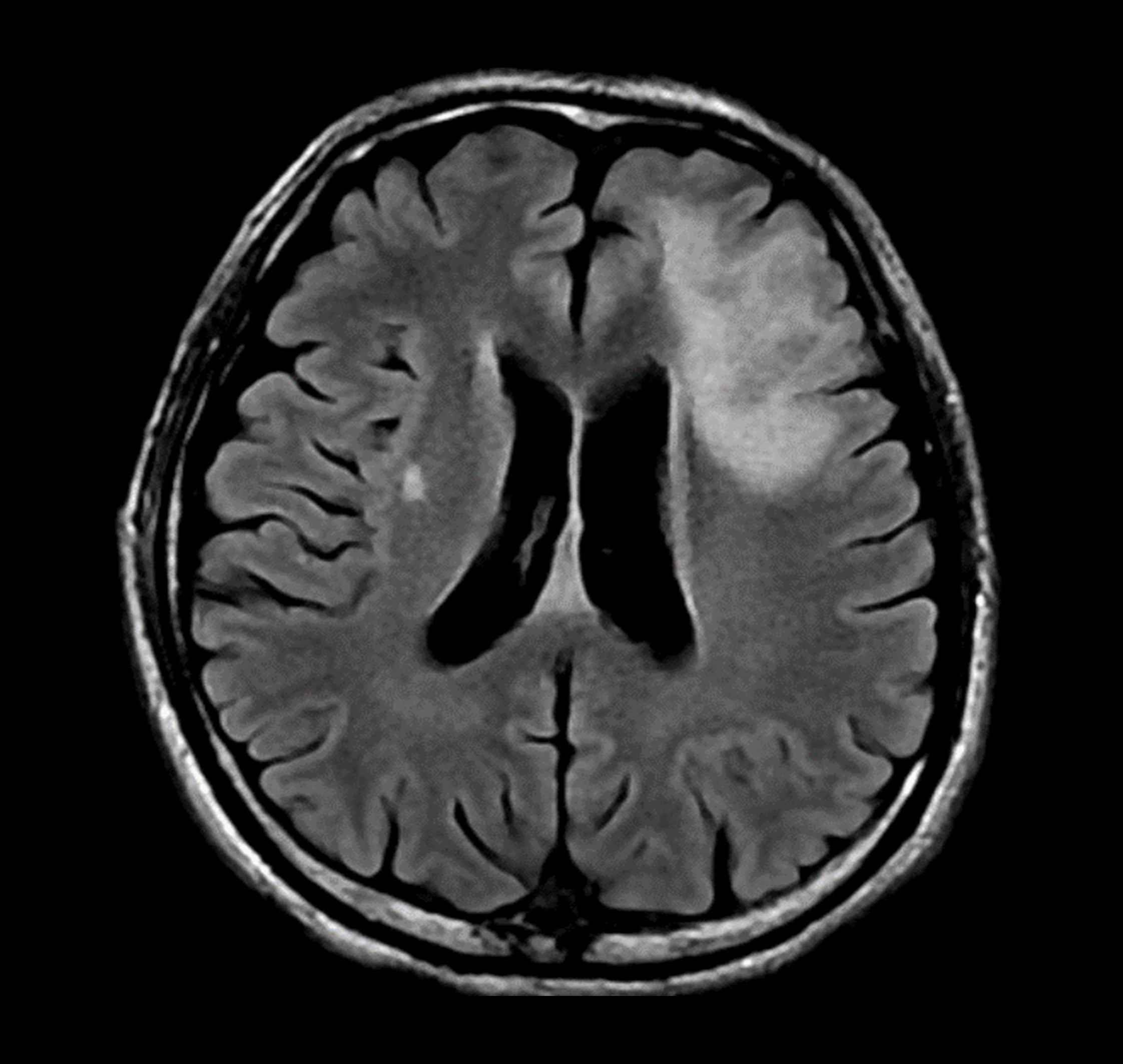
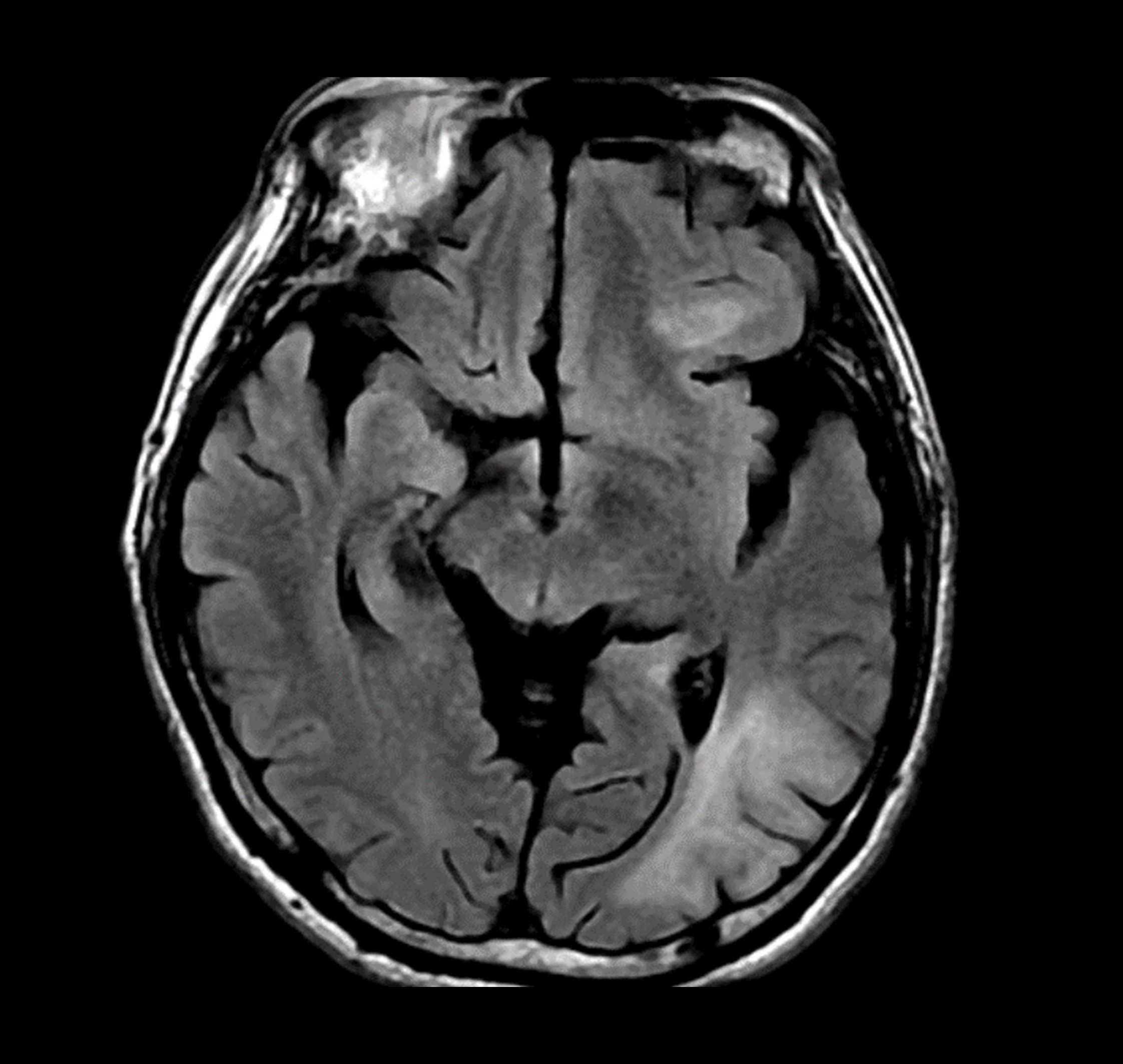
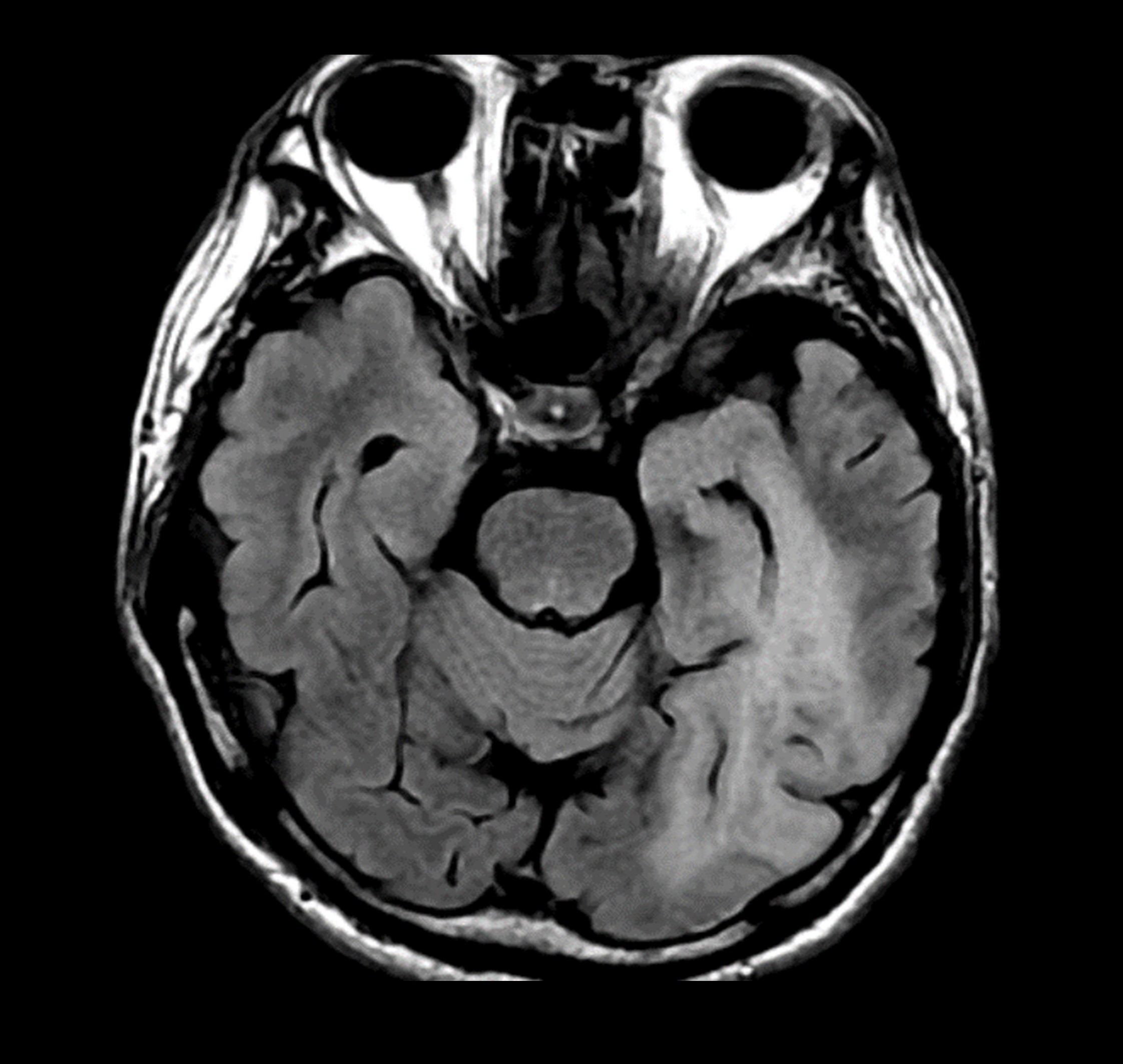
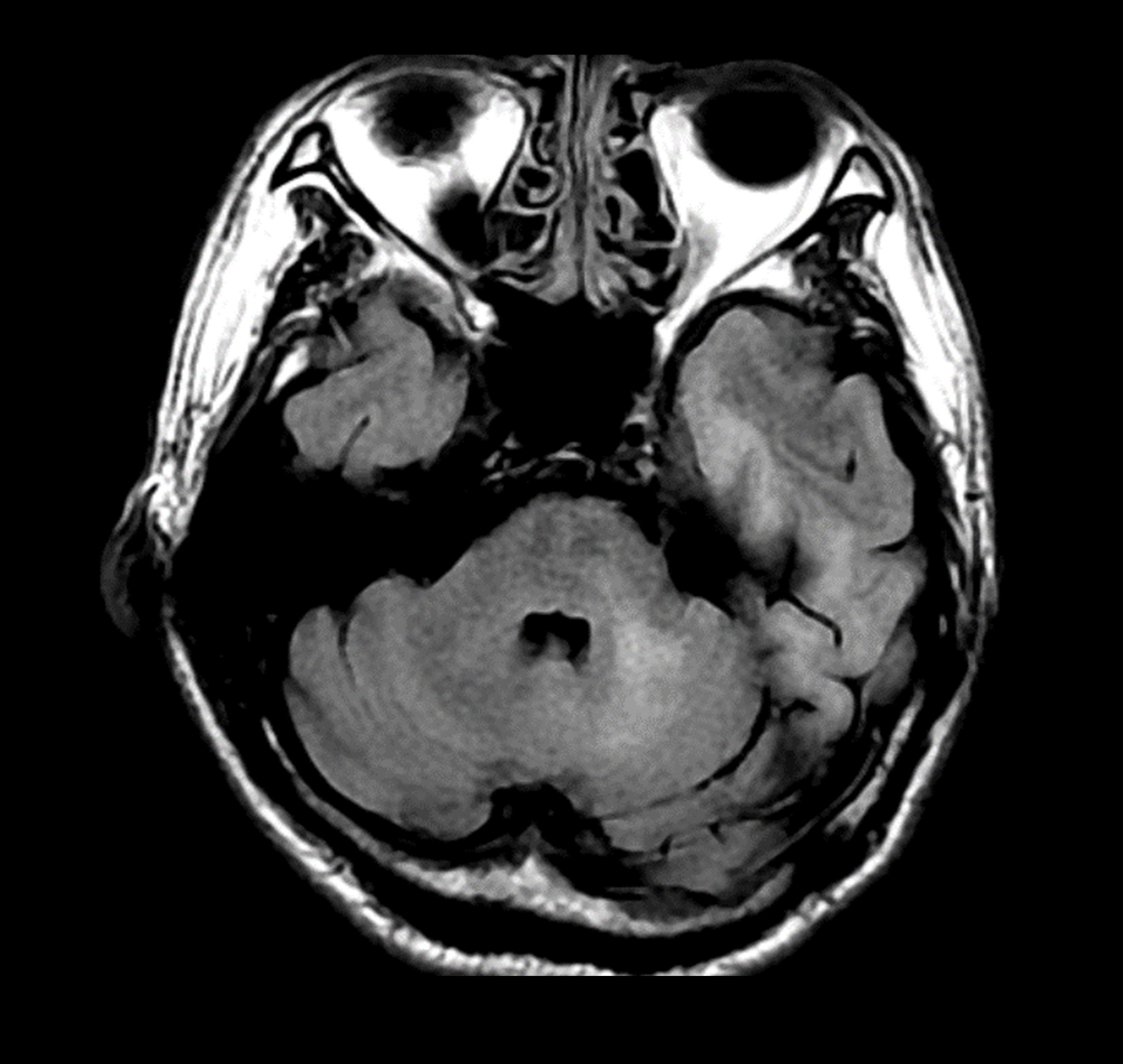
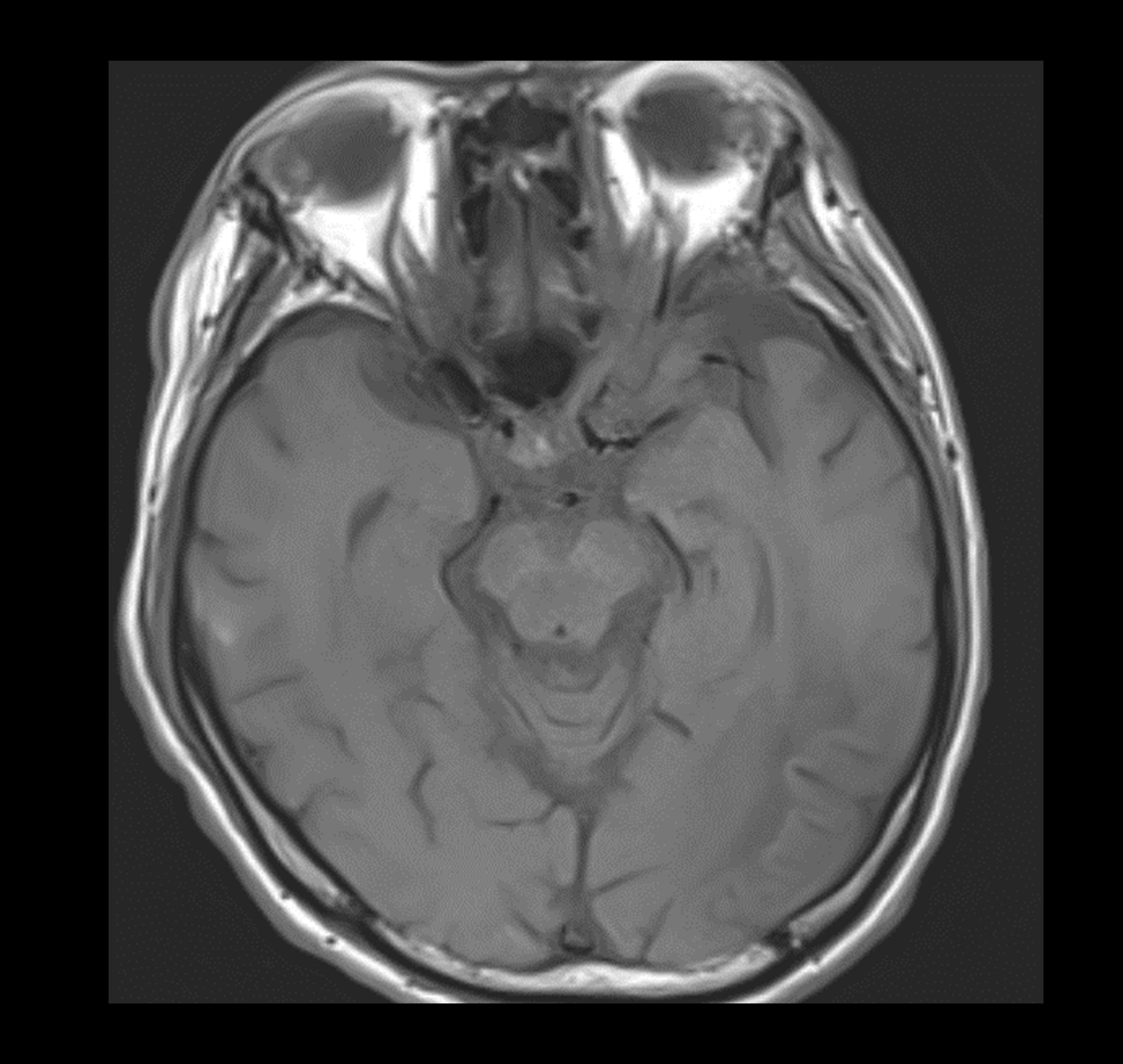
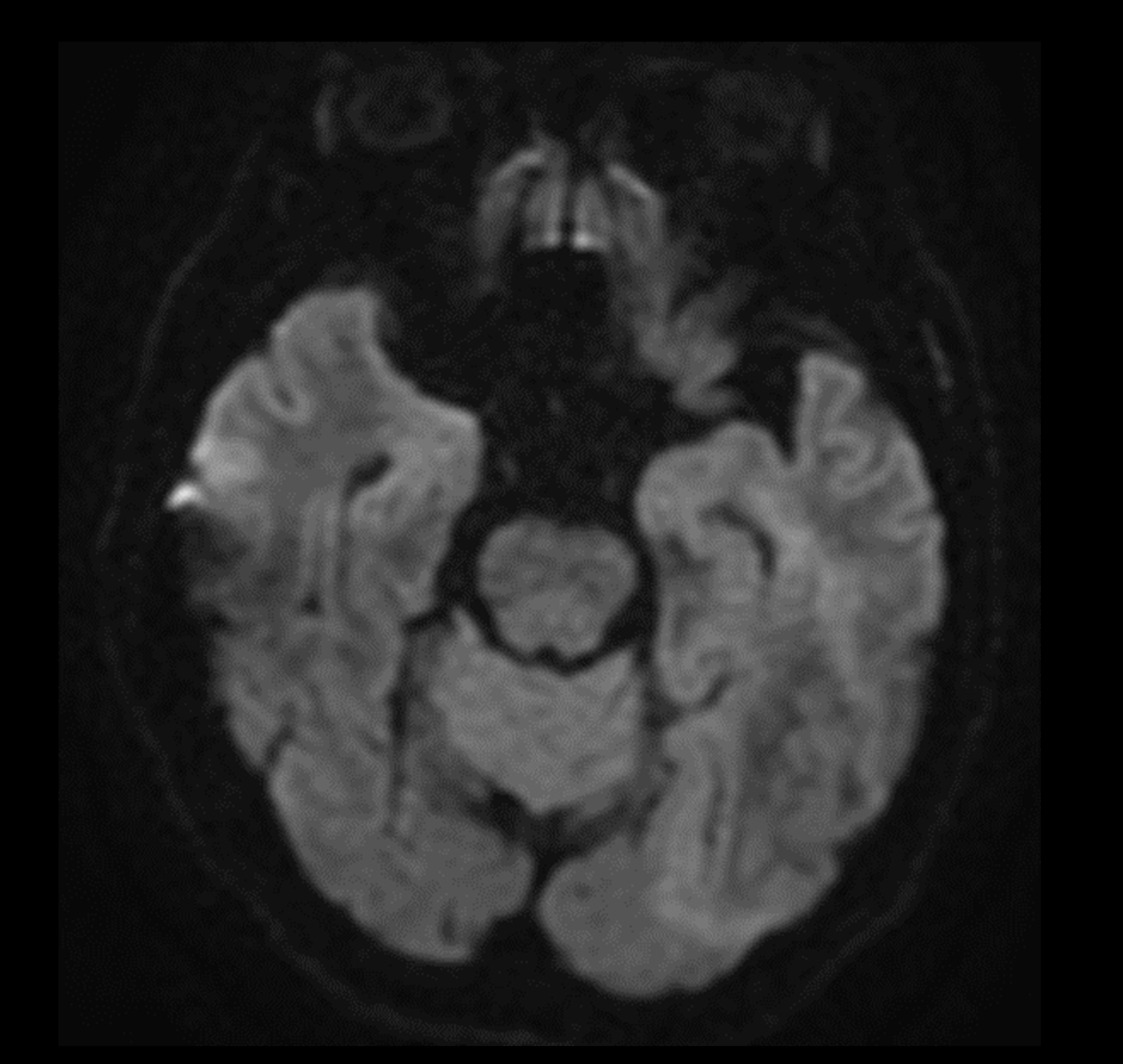
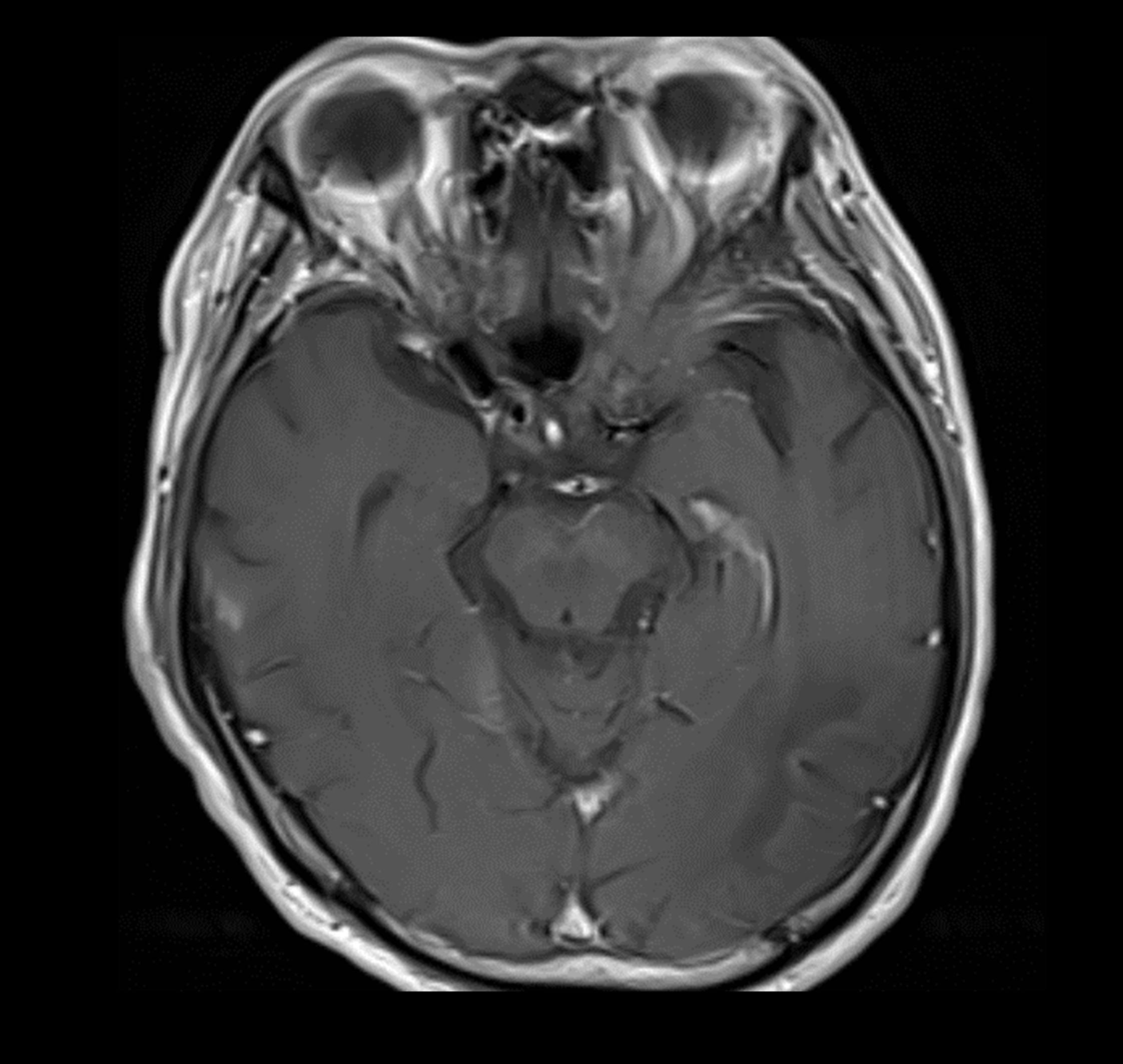
| Period | 2025-10-01~2025-10-31 |
|---|---|
| Diagnosis | Progressive Multifocal Leukoencephalopathy |
| Gender |
|
| Age | 53 |
| Clinical information | M/53Y C.C> A patient presented with cognitive impairment that began two weeks ago. Past medical history> uncontrolled DM, HIV Ab Positive Images> FLAIR, T1WI, DWI, Contrast T1WI What was the your diagnosis? |
| Discussion | Progressive Multifocal Leukoencephalopathy (PML) is a severe demyelinating disease of the central nervous system caused by reactivation of the JC virus, predominantly in immunocompromised patients. It is characterized by multifocal areas of demyelination affecting the white matter, leading to neurological deficits such as altered mental status, motor impairment, ataxia, visual disturbances, and seizures. Radiologic features are critical for diagnosis and monitoring. Brain MRI is the imaging modality of choice for PML and reveals multiple asymmetric, confluent lesions predominantly in the supratentorial white matter, especially in the parieto-occipital regions. On MRI, lesions typically appear hypointense on T1-weighted images and hyperintense on T2-weighted and FLAIR sequences, with a characteristic scalloped or irregular lateral margin. Diffusion-weighted imaging may show variable restricted diffusion depending on the activity of the lesions. Contrast enhancement is usually absent but may be present in early or immune reconstitution inflammatory syndrome (IRIS) phases. Lesions show no significant mass effect or edema in most cases, although mass effect can occur and correlates with poorer prognosis. Small punctate high T2 signal lesions surrounding the main areas (“Milky Way” sign) and a "barbell" sign are other described imaging features. MRI not only assists in early diagnosis but also in follow-up to assess progression or response to therapy. Reference Mori, K., Kurokawa, M., Harada, M., Nakamichi, K., Arai, H., Takao, M., ... & Miura, Y. (2025). Overview of MRI findings in progressive multifocal leukoencephalopathy. Japanese Journal of Radiology, 1-18. |
| Correct answer |
Correct Answer
Semi-Correct Answer |
Submit answer
Answer submission list
The written answers can only be viewed by the administrator and author.