HOME > Weekly Case > Weekly Case
Weekly Case
종결
Case No. 700
2024-10-01~2024-11-30
출제자 : 박미나
Hit : 379
| Period | 2024-10-01~2024-11-30 |
|---|---|
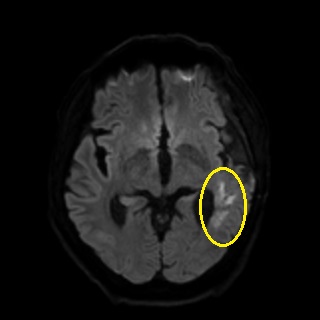
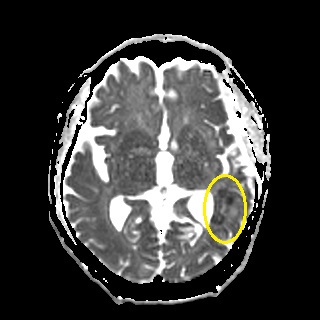
| Diagnosis | Bevacizumab-induced Coagulative Necrosis with restricted diffusion |
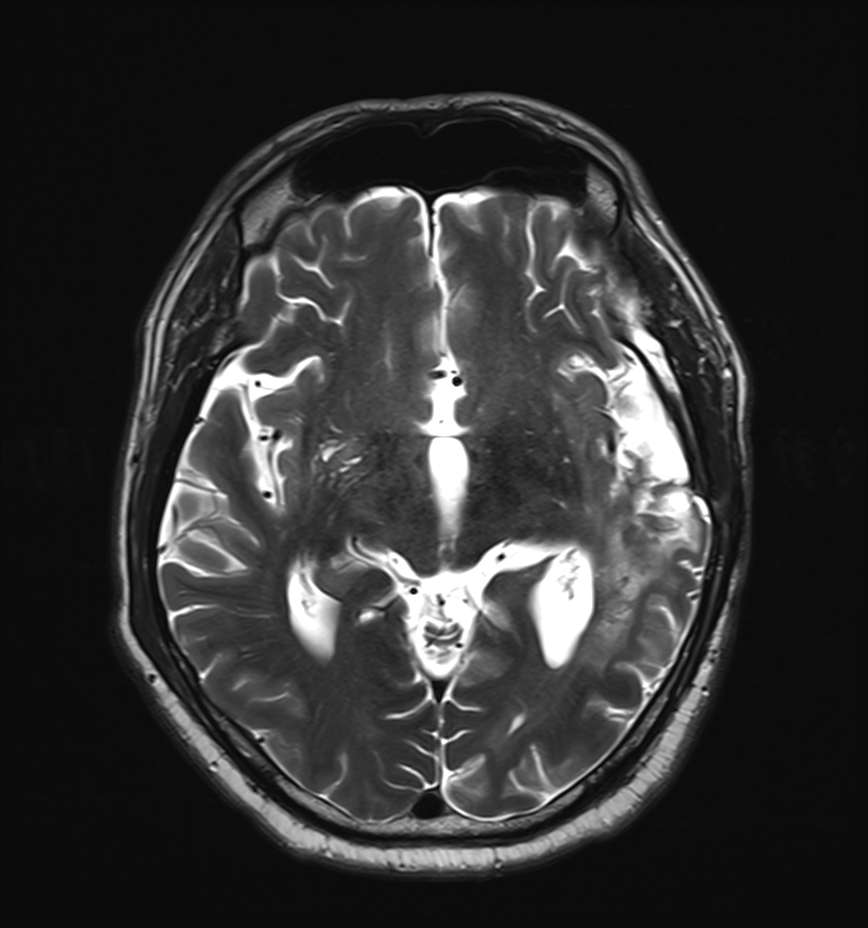
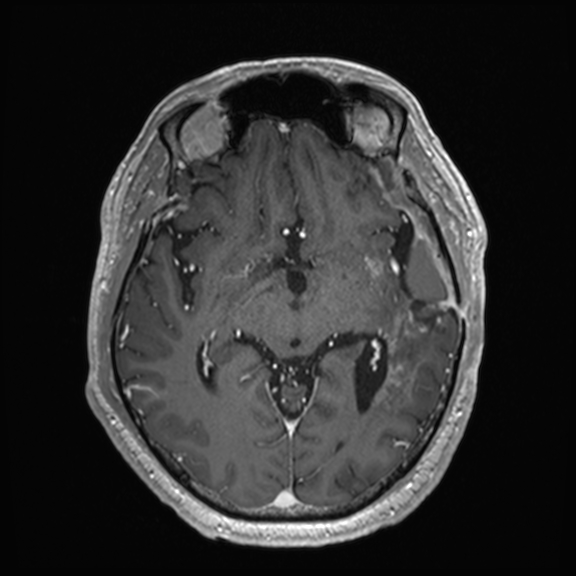
| Clinical information | Glioblastoma로 bevacizumab치료를 받고있는 환자로 f/u상 우연히 발견된 병변이다. 가장 가능성 높은 진단은? |
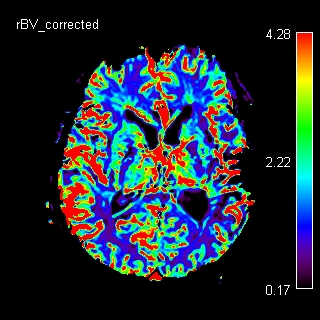
| Discussion | 진단: Bevacizumab-induced Coagulative Necrosis with restricted diffusion Bevacizumab (Avastin; Genentech) is a recombinant monoclonal antibody approved by the U.S. Food and Drug Administration for treatment of multiple cancers, including recurrent glioblastoma. Bevacizumab inhibits vascular endothelial growth factor, thereby reducing blood-brain barrier permeability and improving progression-free survival. Patients taking bevacizumab can develop geographic well-defined areas of restricted diffusion within the treatment bed with substantially low apparent diffusion coefficient (ADC) values, often with intrinsic T1 hyperintensity and no enhancement. These areas, found most commonly near the ventricles and corpus callosum, show reduced relative cerebral blood volumes on perfusion maps and usually persist across multiple surveillance scans. Although some studies suggest that these areas represent hypercellular tumor, multiple investigations concluded that they are atypical gelatinous necrotic tissue induced by chronic hypoxia and have grossly firm appearance. This differs from liquefactive necrosis observed in high-grade glial neoplasm, characterized by liquid texture and increased ADC values. Hypercellular tumor is unlikely given the markedly low ADC values observed with coagulative necrosis, complete absence of enhancement, and occasional T1 hyperintensity. |
| Correct answer |
Correct Answer
Semi-Correct Answer |