HOME > Weekly Case > Weekly Case
Weekly Case
종결
Case No. 696
2024-09-01~2024-09-30
출제자 : 조세진
Hit : 407
| Period | 2024-09-01~2024-09-30 |
|---|---|
| Diagnosis | Dysplastic cerebellar gangliocytoma |
| Gender |
|
| Age | 28 |
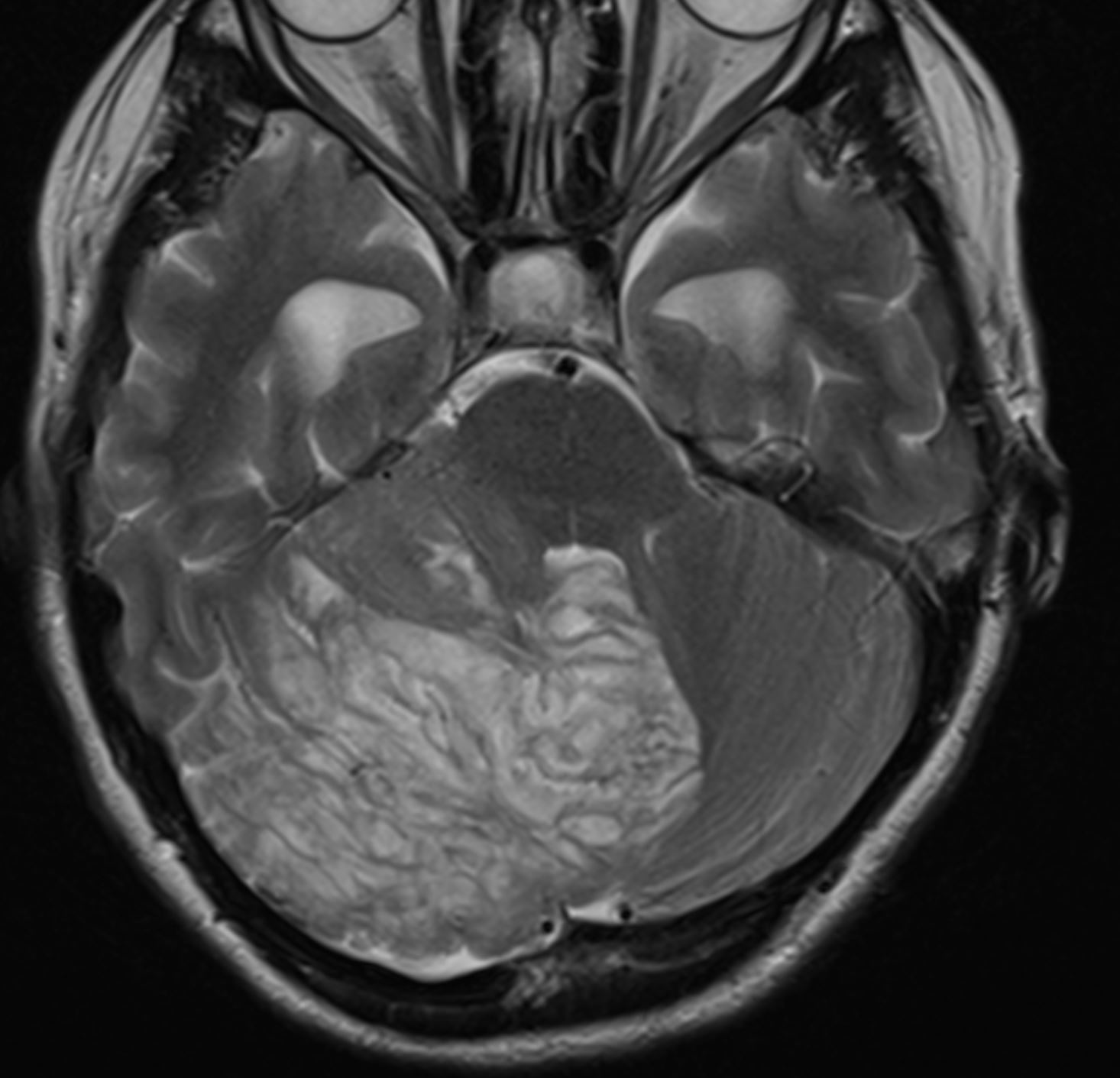
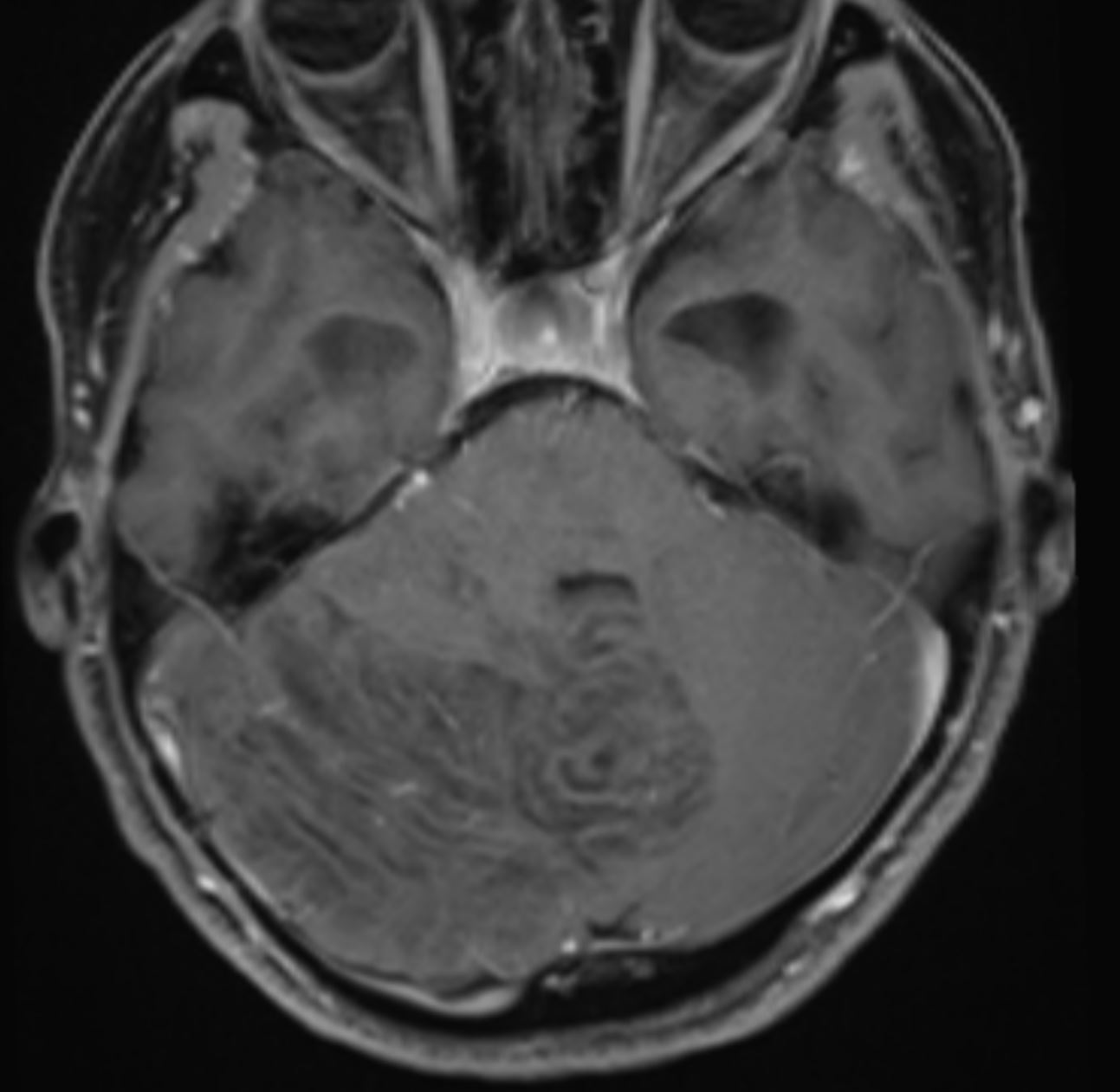
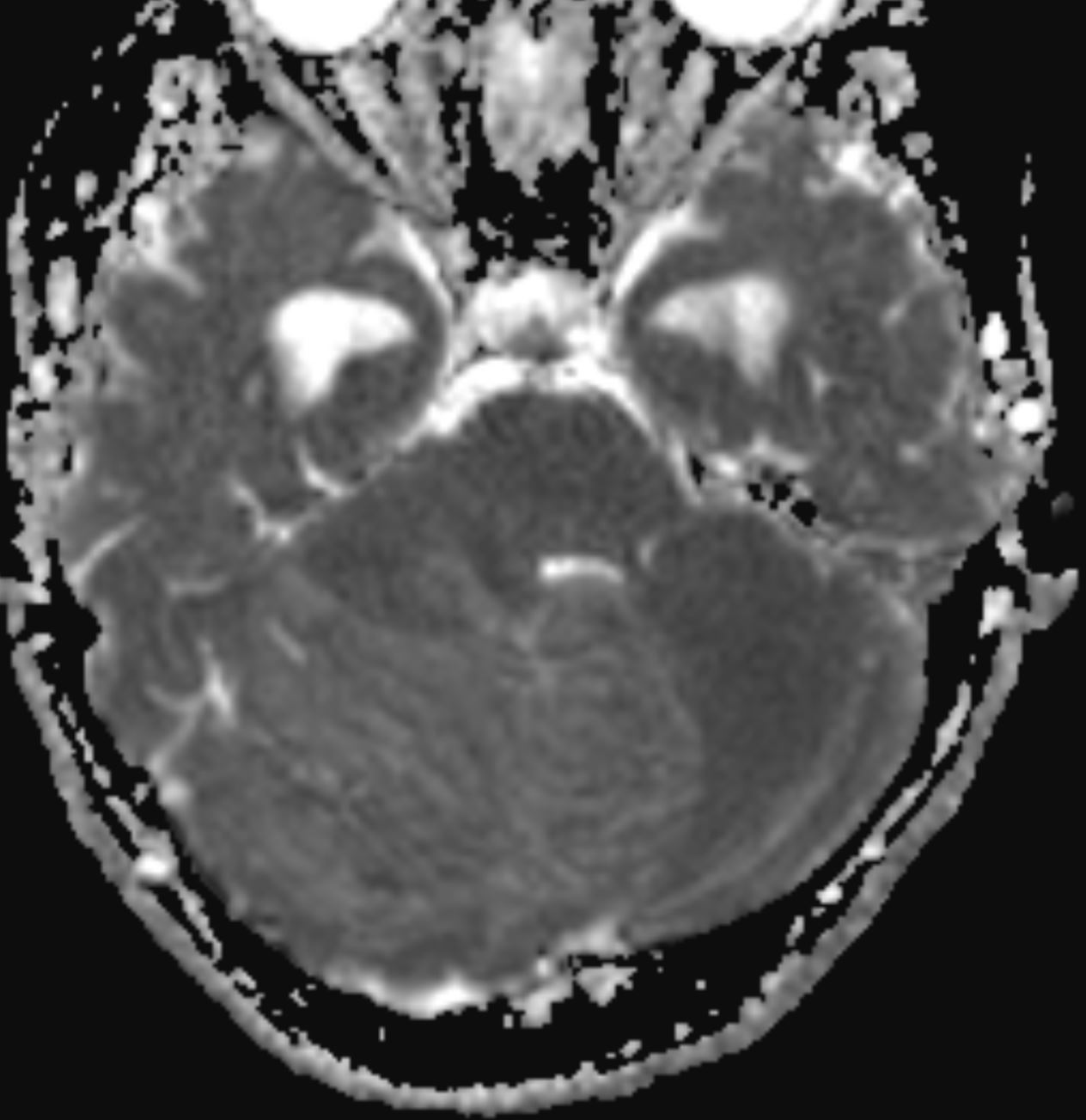
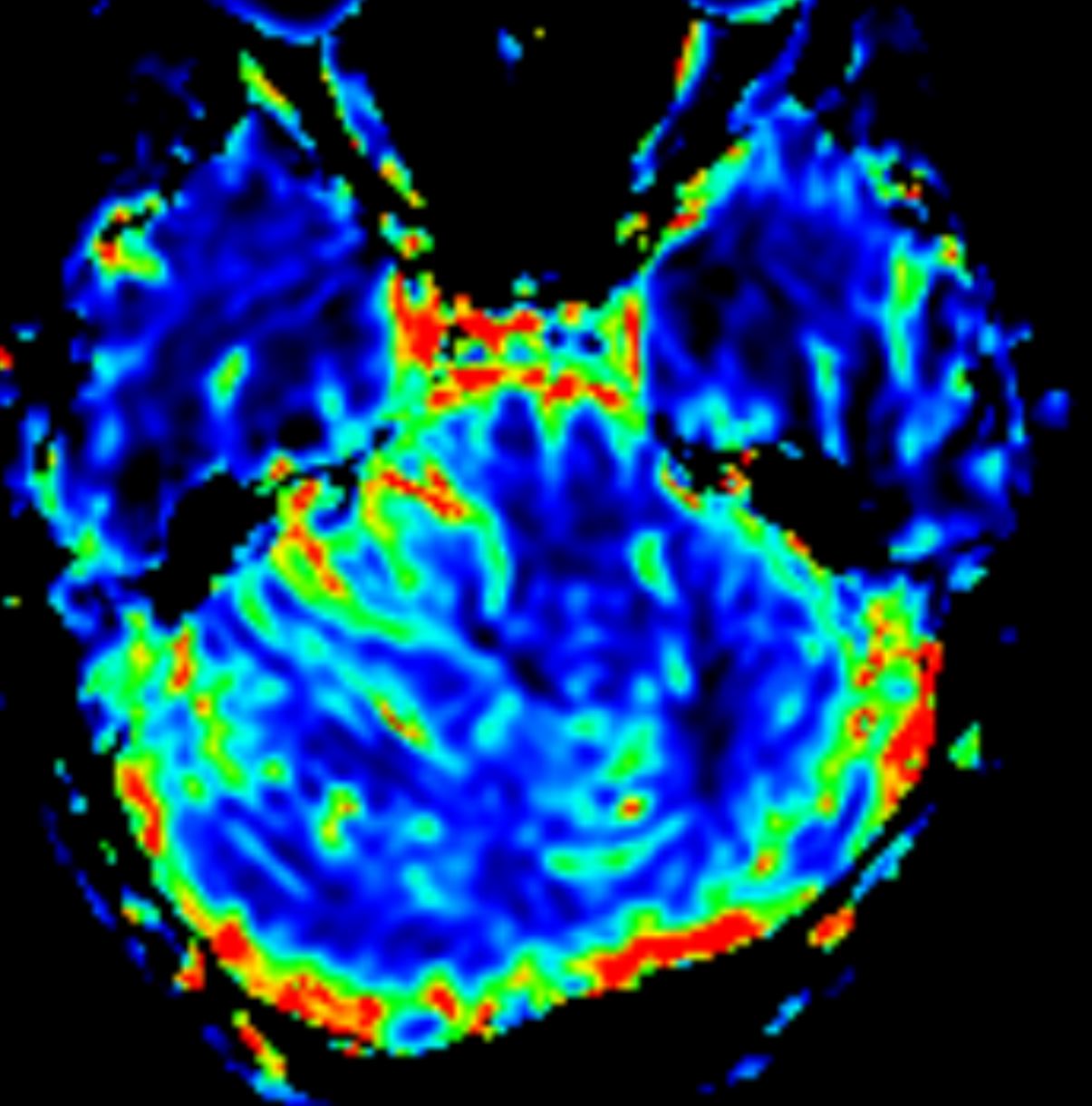
| Clinical information | Cowden syndrome. 28세 여자 환자의 MRI 영상이다. 적절한 판독은? Symptom: Dizziness Images> T2WI, Contrast-T1WI, ADC, CBV |
| Discussion | 진단: Dysplastic cerebellar gangliocytoma Review Lhermitte-Duclos Disease (Dysplastic Cerebellar Gangliocytoma) Lhermitte and Duclos disease(LDD) is a rare hamartomatous disorder. Lhermitte and Duclos reported the first case of cerebellar ganglion cell tumor in 1920, and this disease is now called dysplastic cerebellar gangliocytoma. Dysplastic cerebellar gangliocytoma is seen most frequently in young adults (average age, 34 years). Less frequently, it occurs in pediatric patients. There is no sex predilection. Patients present with headaches, occlusive hydrocephalus, cranial nerve palsies, gait ataxia and other symptoms of cerebellar dysfunction. Clinical evidence and the close association of dysplastic cerebellar gangliocytoma with Cowden syndrome, which is an autosomal-dominant phacomatosis and cancer syndrome, and this ‘multiple hamartoma-neoplasia syndrome’ is associated with mutations of the PTEN gene. Imaging findings: MR imaging is the modality of choice. MR imaging reveals a cerebellar mass with a typical striated or tiger-striped folial pattern that consists of alternating bands on both T1- and T2-weighted images. The bands are hyper- and isointense relative to gray matter on T2-weighted images and iso- and hypointense on T1-weighted images. Most dysplastic gangliocytomas do not enhance; however, enhancement has been reported and is probably due to the presence of anomalous veins. Mass effect is common and causes compression of the fourth ventricle and occlusive hydrocephalus. Reference: Shinagare AB, Patil NK, Sorte SZ. Case 144: Dysplastic cerebellar gangliocytoma (Lhermitte-Duclos disease). Radiology 2009; 251:298–303 |
| Correct answer |
Correct Answer
Semi-Correct Answer |