HOME > Weekly Case > Weekly Case
Weekly Case
종결
Case No. 656
2023-05-01~2023-05-31
출제자 : 이경미
Hit : 643
| Period | 2023-05-01~2023-05-31 |
|---|---|
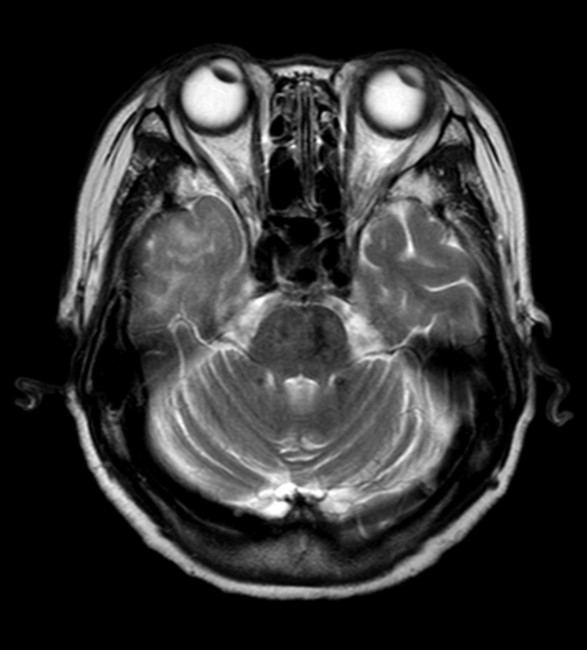
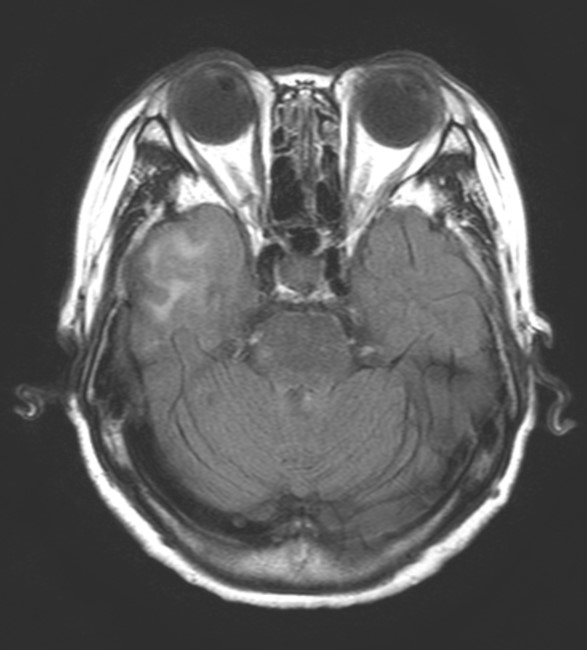
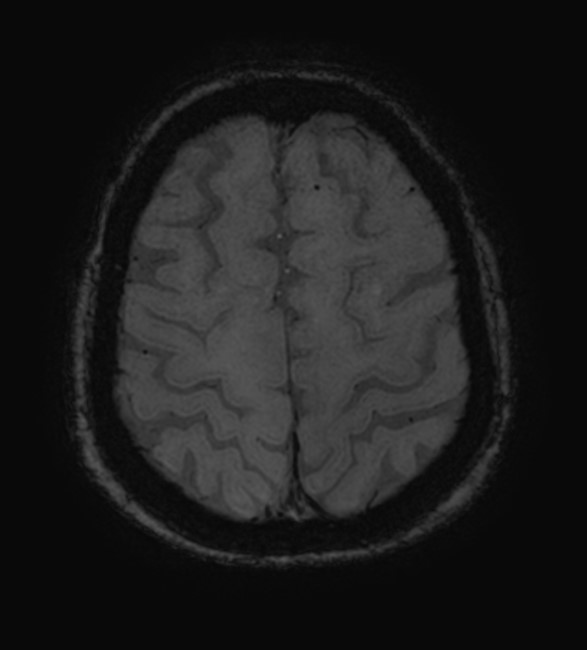
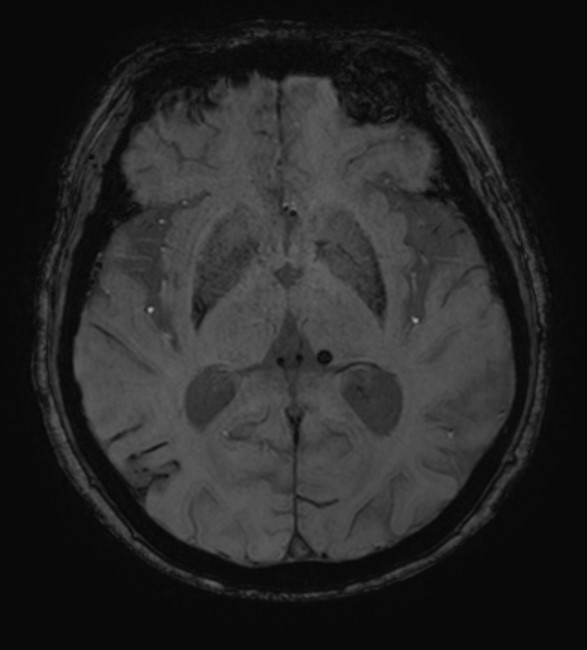
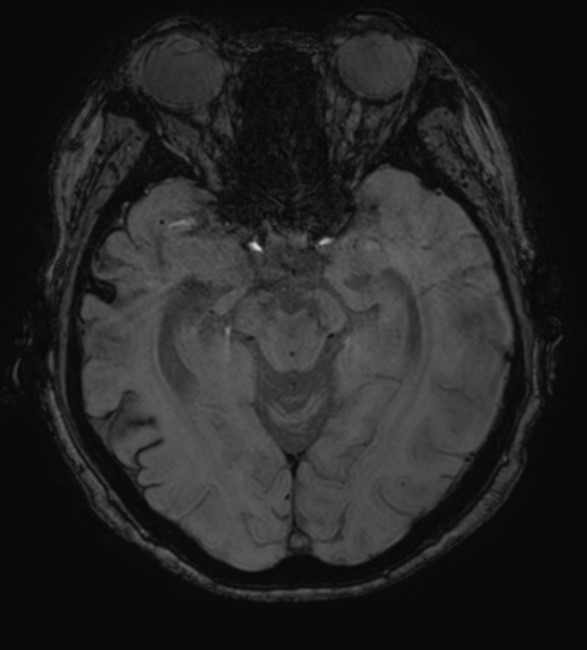
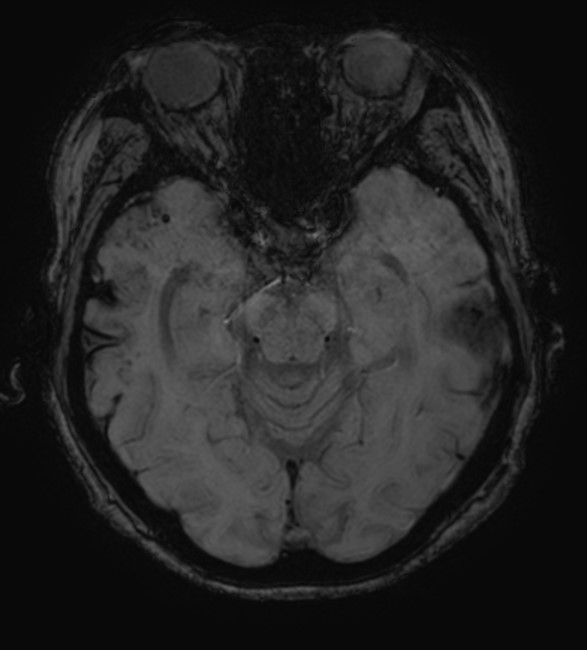
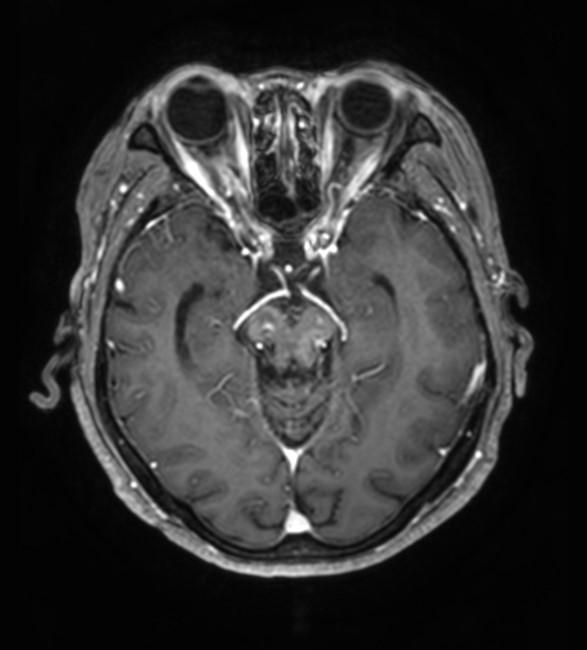
| Diagnosis | Cerebral amyloid angiopathy related inflammation |
| Gender |
|
| Age | 86 |
| Clinical information | 86/F C.C> gait disturbance 진단은? |
| Discussion | • Cerebral amyloid angiopathy (CAA) : deposition of amyloid-β fibrils in walls of small and medium-sized blood vessels, mostly arteries of leptomeninges and cerebral cortex - Architectural disruption of amyloid-β laden vessels with fibrinoid necrosis --> perivascular leakage --> vascular rupture --> lobar microbleeds or hematomas and high-convexity subarachnoid hemorrhages - Accumulation of amyloid-β--> vessel lumen obliteration --> ischemic leukoencephalopathy and cerebral infarction • Two pathologic subtypes : non-destructive perivascular inflammation (inflammatory CAA, ICAA) and transmural or intramural inflammation (Aβ-related angiitis, ABRA) • The gold standard test : brain biopsy, but based on clinical and radiologic data • Cerebral amyloid angiopathy-related inflammation (CAA-RI) : rare, aggressive subtype • Acute or subacute onset of cognitive decline or behavioral changes, seizures, headaches, and focal neurologic deficits • Imaging Findings : Patchy or confluent T2 hyperintensity of subcortical white matter lesions, mostly asymmetric Multiple, strictly lobar cerebral microbleeds and cerebral superficial siderosis on T2* or SWI White matter hyperintensity (WMH) extends to cortex with mass effect hyperintensity in ADC map • Treatment : empirical high-dose corticosteroids with or without additional immunosuppressive therapy |
| Correct answer |
Correct Answer
Semi-Correct Answer |