HOME > Weekly Case > Weekly Case
Weekly Case
종결
Case No. 629
2022-07-01~2022-07-31
출제자 : 박예원
Hit : 552
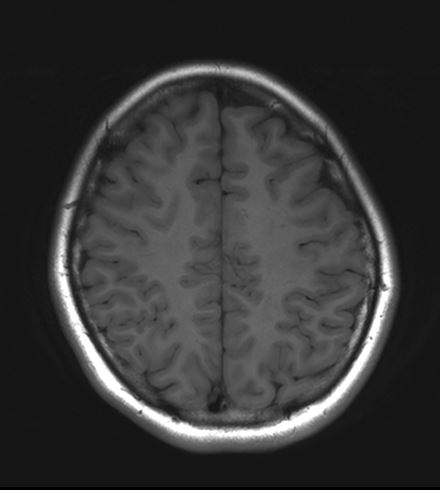
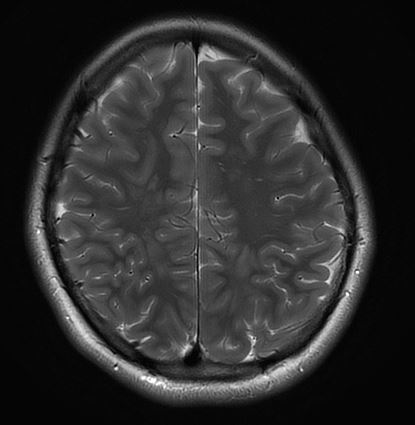
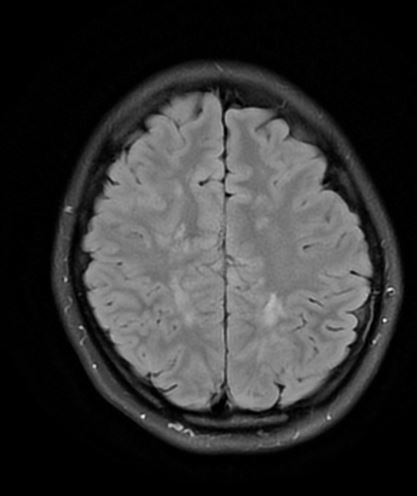
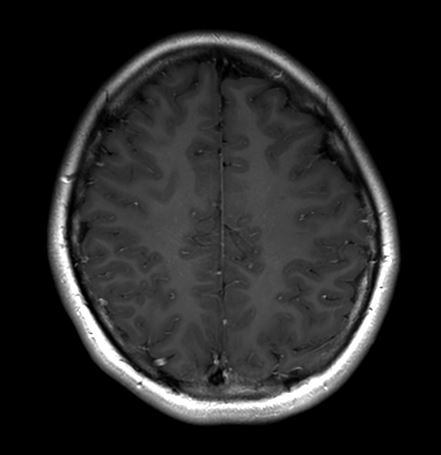
| Period | 2022-07-01~2022-07-31 |
|---|---|
| Diagnosis | MOG-associated disease (MOGAD) |
| Gender |
|
| Age | 16 |
| Clinical information | F/16 임상정보: headache, nausea, poor oral intake (3-4 days) No recent history of URI 진단은? |
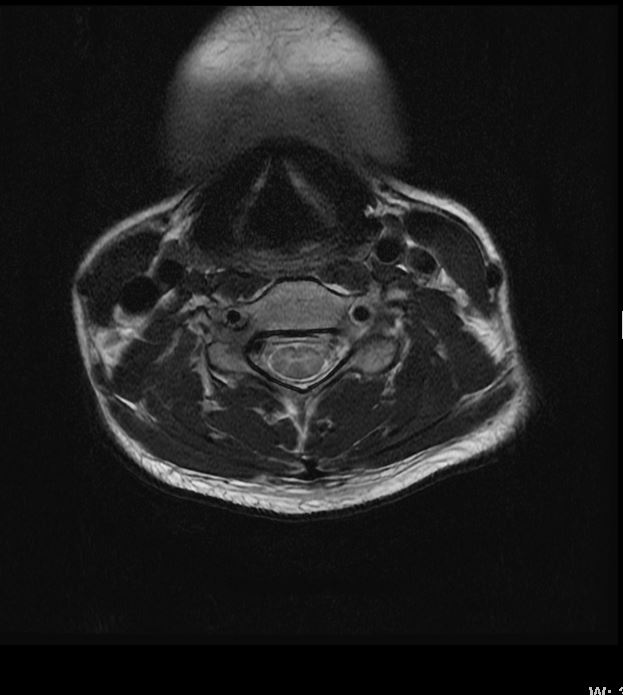
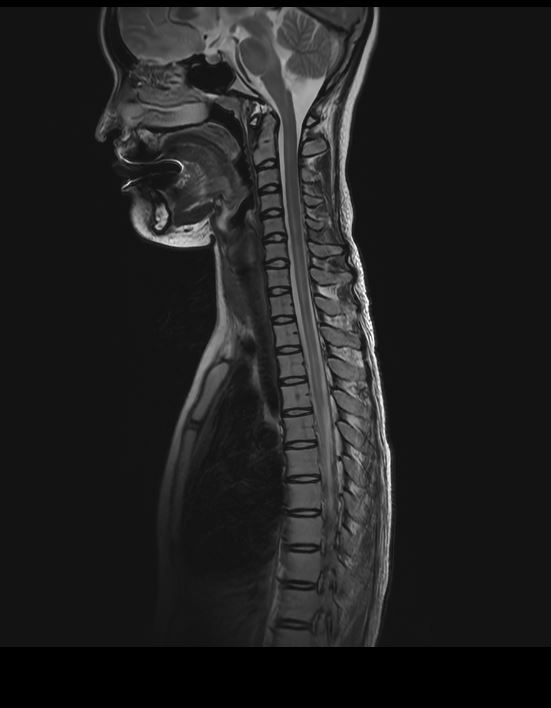
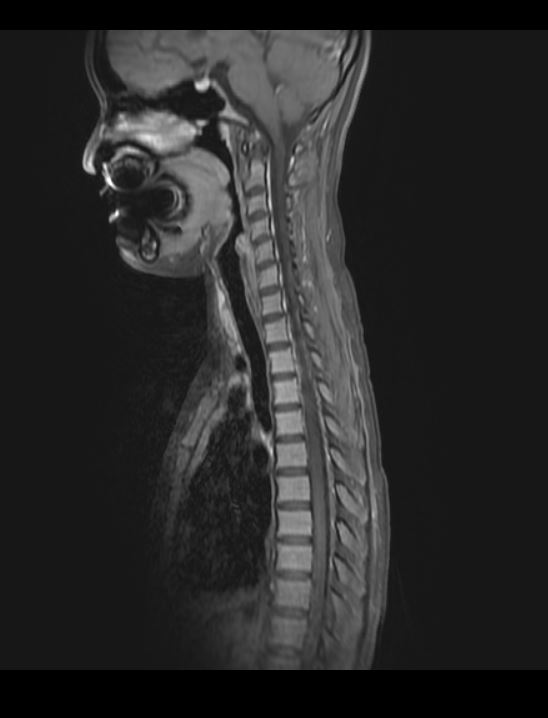
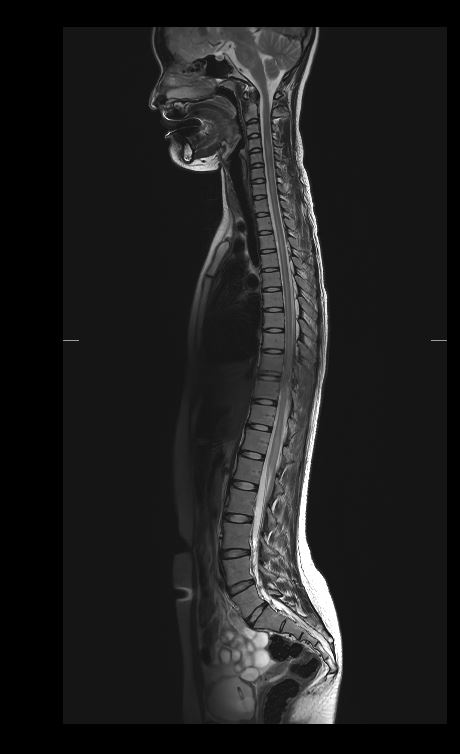
| Discussion | MOG-associated disease (MOGAD) On autoimmune lab analysis, the patient was positive for MOG antibody, and negative for anti-aquaporin 4 antibody or oligoclonal band. After steroid therapy, the high signal intensity in the spinal cord markedly improved. Myelin oligodendrocytes glycoprotein (MOG) is a glycoprotein located on the myelin surface and found exclusively in the CNS. Although its exact role remains unclear, it is thought to act as a cellular adhesive molecule, as a regulator of oligodendrocyte microtubule stability and as a mediator of the complement activation cascade. MOG-AD can occur in all decades of life, with a median age of onset in the early to mid-thirties, and it affects slightly more women than men MOGAb-optic neuritis is classically extensive, bilateral with perineuritis and optic nerve head edema. It is only rarely located within chiasma or optic tract. Spinal cord lesions in MOGAD can be visualized using MRI typically showing centrally located and longitudinally extensive T2 hyperintensity affecting mainly the grey matter, as seen as an ‘H-sign’ on the axial plan. |
| Correct answer |
Correct AnswerSemi-Correct Answer |