HOME > Weekly Case > Weekly Case
Weekly Case
종결
Case No. 491
2018-09-01~2018-09-30
출제자 : 박미나
Hit : 255
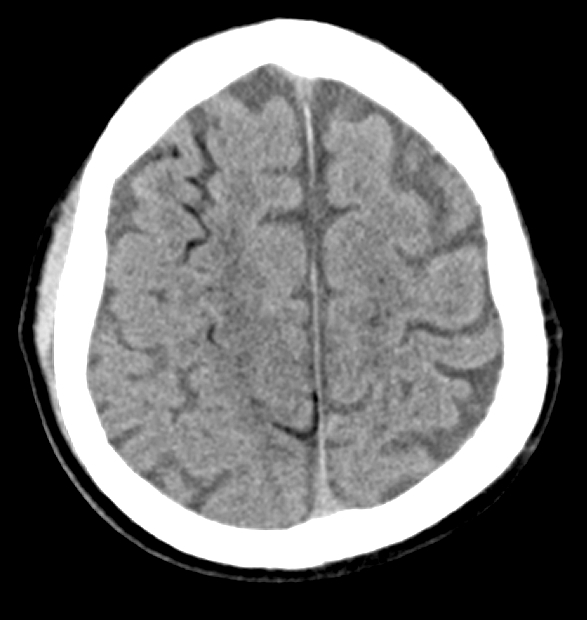
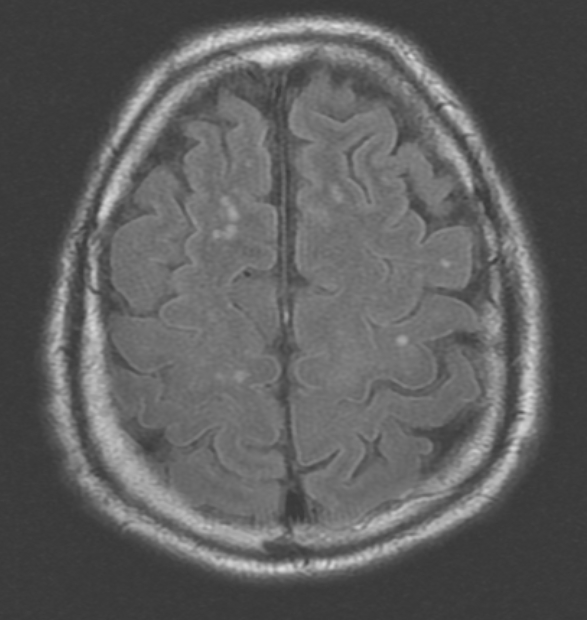
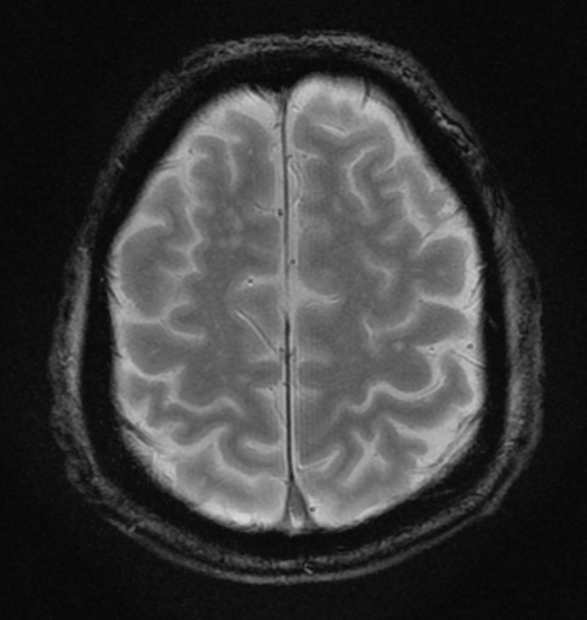
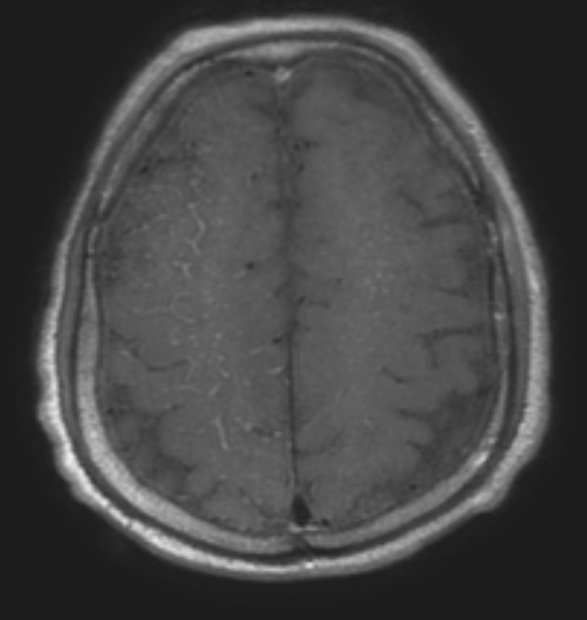
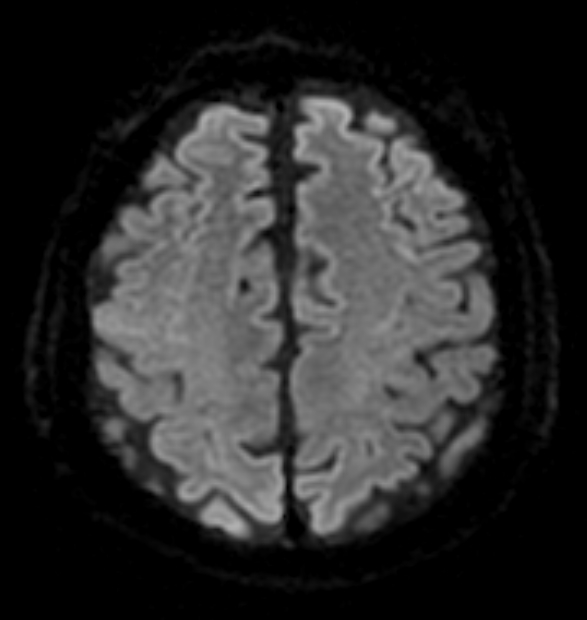
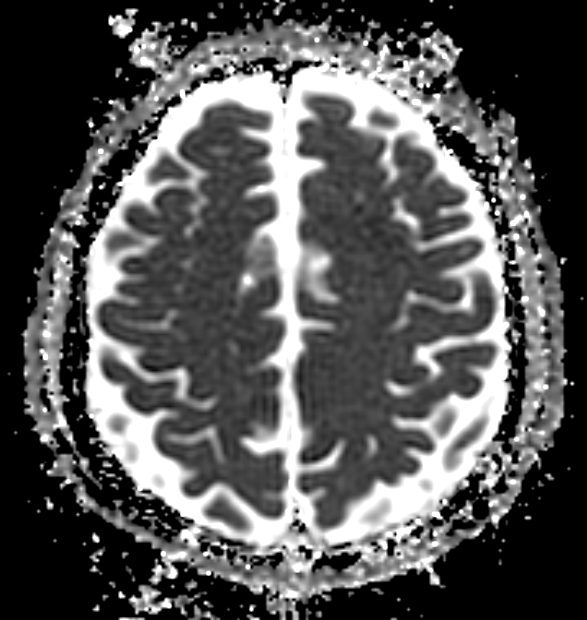
| Period | 2018-09-01~2018-09-30 |
|---|---|
| Diagnosis | Cerebral air embolism |
| Clinical information | 63세 남환 Lung cancer 로 10일전 lobectomy 받은 후 pulmonary function test 도중 acute onset mental change |
| Discussion | Background: Cerebral air embolism can be a potentially lethal complication. It can occur iatrogenically, secondary to CVC placement or removal, endoscopy, hysteroscopy, laparoscopy, or defibrillator placement, among other reported causes. The mechanism for entrance of air into the cerebral venous circulation is thought to be through retrograde rise. Air, once it enters the venous circulation, can rise in an upright patient to the cerebral venous circulation at a speed greater than the venous blood flow due to its low specific gravity. Arterial cerebral air embolism may occur if air passes from the venous into the arterial circulation. This may occur due to the presence of a right-to-left shunt, such as a patent foramen ovale. Clinical Presentation: Presentation is often varied and can be characterized by acute onset of various degrees of altered mental status, headache, dizziness, chest pain, paresthesias, seizures, hemiparesis, aphasia, akinetic mutism, and homonymous hemianopia. Key Diagnostic Feature: Brain CT is diagnostic only if obtained immediately because air is rapidly resorbed from the brain arterioles. Subsequent multiple infarcts can be observed on diffusion-weighted imaging. Treatment: Treatment is often supportive; hyperbaric therapy should be considered but is not readily available in most hospitals and its efficacy for cerebral venous air embolism is unknown. |
| Correct answer |
Correct Answer
Semi-Correct Answer |