HOME > Weekly Case > Weekly Case
Weekly Case
종결
Case No. 459
2017-10-01~2017-10-31
출제자 : 이경미
Hit : 270
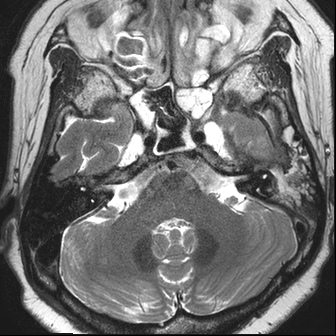
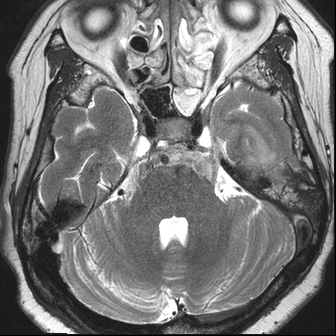
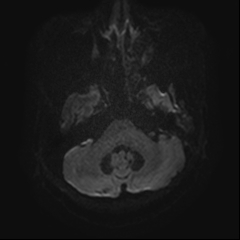
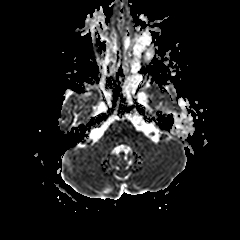
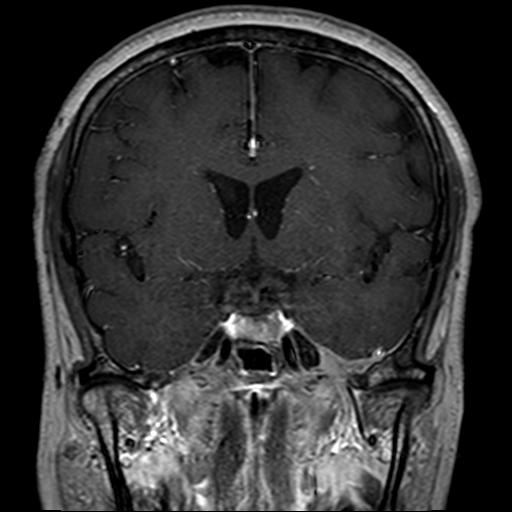
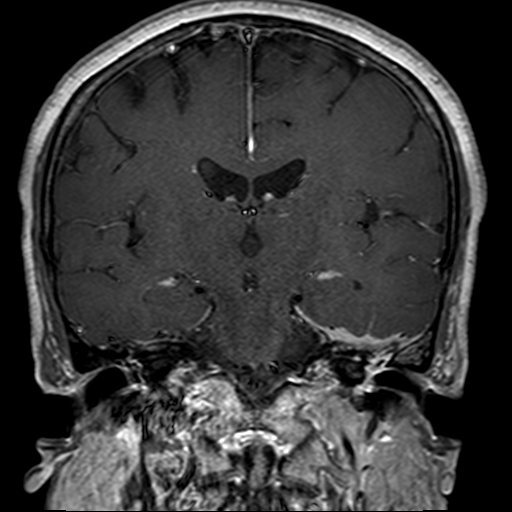
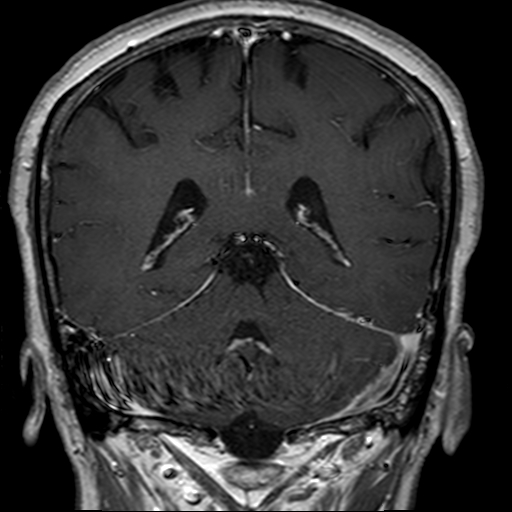
| Period | 2017-10-01~2017-10-31 |
|---|---|
| Diagnosis | IgG4-related disease |
| Clinical information | 61/F Multiple arthritis로 류마티스내과 내원중 발생한 left facial palsy |
| Discussion | IgG4-related disease presenting as recurrent mastoiditis (Laryngoscope 2012;122(3):681-684) -IgG4-RD is a recently recognized clinical entity that has become an important consideration in many cases in which a diagnosis is not forthcoming. IgG4-RD has been shown to extensively involve the head and neck with cases reported of disease in the orbital adnexa, sinus and nasal cavities, salivary and submandibular glands, and thyroidx. The pathologically confirmed mastoiditis and destructive bony lesions that occurred in our patient have not been reported to our knowledge. IgG4-RD can be difficult to diagnose because one critical part of the evaluation, immunostaining of tissue for IgG4, is not performed routinely on biopsies. Moreover, clinicians seldom order IgG subclasses. The diagnosis is also complicated by the many different types of lesions produced by the disease. These range from destructive, enlarging masses to locally invasive lesions that can be aggressive enough to mimic malignancy. -The diagnosis of IgG4-RD is critical because the disorder has specific, efficacious treatment options that can lead to improved care and help avoid unnecessary surgeries. Such treatments involve the administration of high-dose glucocorticoids, and this remains the first line therapeutic option. Although most patients respond swiftly to glucocorticoids, some require a second. Other treatments used to treat this condition include azathioprine, cyclophosphamide, methotrexate, mizoribine, bortezomib, and rituximab. Among these agents, B cell depletion with rituximab appears to offer the quickest therapeutic response, with a targeted effect on the IgG4 subclass of immunoglobulins. |
| Correct answer |
Correct AnswerSemi-Correct Answer |