HOME > Weekly Case > Weekly Case
Weekly Case
종결
Case No. 399
2016-02-01~2016-02-29
출제자 : 신나영
Hit : 351

| Period | 2016-02-01~2016-02-29 |
|---|---|
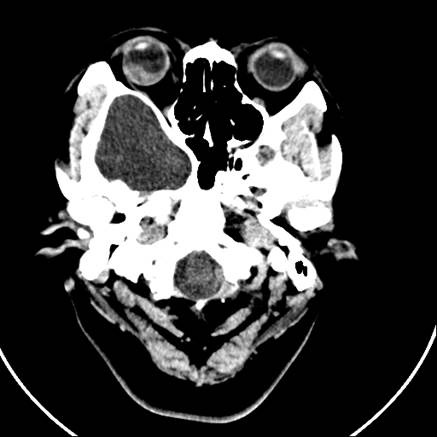
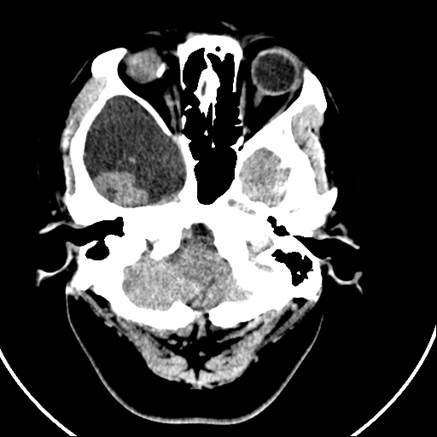
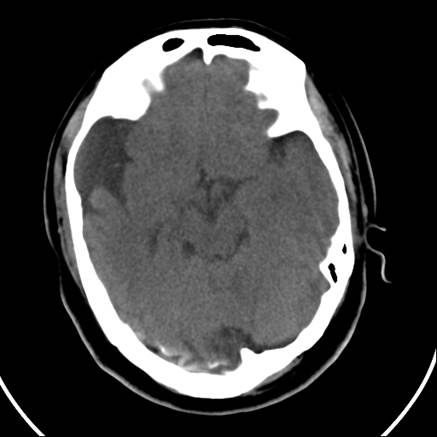
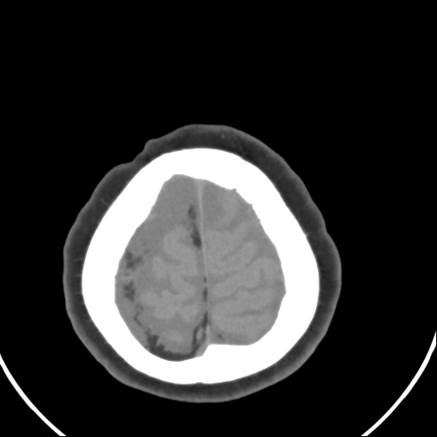
| Diagnosis | Encephalocraniocutaneous Lipomatosis (ECCL) |
| Clinical information | F/39 C.C: Scalp lesion |
| Discussion | 1. ECCL is a rare, congenital neurocutaneous syndrome, not inherited in a mendelian fashion. The tissues and organs primarily affected are of ectoderm and mesoderm origin: skin, eye, adipose tissue, and brain. ECCL is limited to one side of the cranium, the face, and brain. The most typical lesions, which occur almost exclusively in this syndrome, are subcutaneous soft tumors, consistent with lipomas, and areas of alopecia; other common findings are ocular lesions, such as defects of the eyelids and epibulbar dermoids. All these lesions seem to be nonprogressive. Multiple brain malformations on the same side as the head lesions are associated. Usually, seizures develop, beginning in infancy, and affected patients have variable degrees of psychomotor delay and motor impairment. 2. Imaging - Brain abnormality on the affected side - More common: Enlargement of the lateral ventricle, mainly at the occipital horn Widening of the subarachnoid spaces Arachnoid cyst of the middle cranial fossa - Less common: Lack of normal insular opercularization Dysplastic cortex in the temporoparietooccipital region Corticopial calcifications Intracranial lipoma Leptomeningeal angiomatosis Unilateral small ocular calcification Reference: AJNR 1999 Jan;20(1):173-6 |
| Correct answer |
Correct Answer
Semi-Correct Answer |