HOME > Weekly Case > Weekly Case
Weekly Case
종결
Case No. 356
2014-12-01~2014-12-31
출제자 : 최진욱
Hit : 352
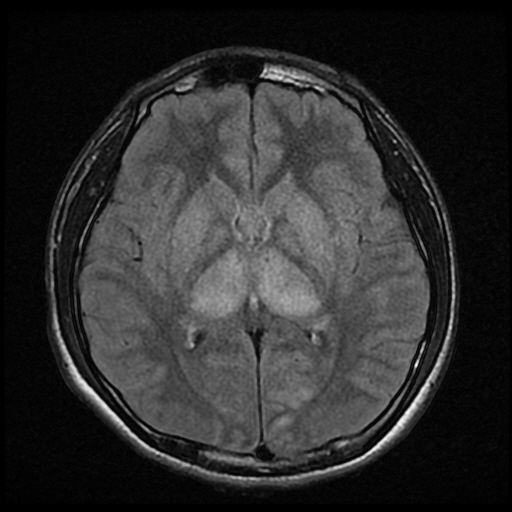
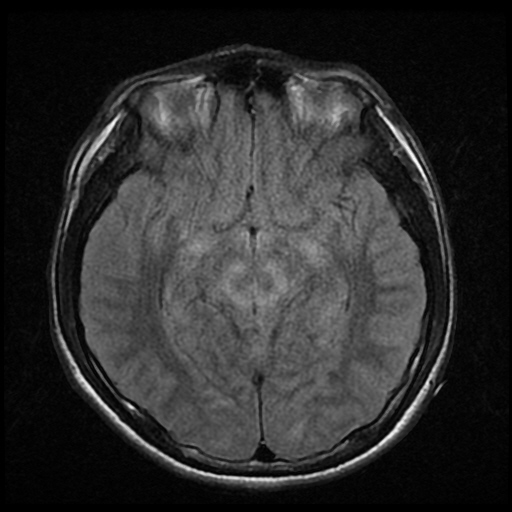
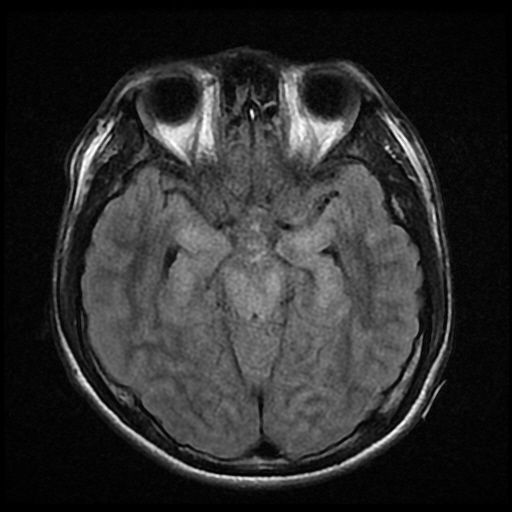
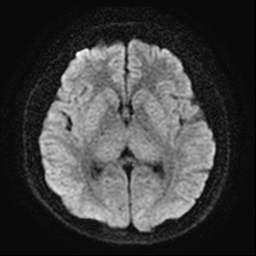
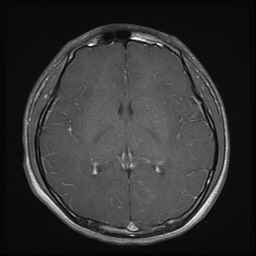
| Period | 2014-12-01~2014-12-31 |
|---|---|
| Diagnosis | Toxic encephalitis (ethylene glycol intoxication) |
| Clinical information | M/16 C.C : Abnormal behavior Laboratory findings imply anion gap acidosis |
| Discussion | Ethylene Glycol Intoxication Clinical presentation – Severe metabolic acidosis with increased anion gap / osmolar gap – Calcium oxalate crystal in urine – Final metabolite – CNS, cardiopulmonary, and renal involvement Pathophysiology – Metabolized in liver – Intermediate metabolite glycolic acid – Responsible for anion gap acidosis – Cytotoxic effects – Acidosis and hypoxia Imaging On CT Low density change in bilateral basal ganglia Without mass effect On MRI Increased T2 SI in bilateral basal ganglia and thalamus – Amygdala, hippocampus, brain stem May show diffusion restriction Reference, Ethylene glycol toxicity: chemistry, pathogenesis and imaging. Radiology Case Reports (online) 2008; 3:122. radiologycasereports.com. DOI: 10.2484/rcr.2008.v3i1.122 |
| Correct answer |
Correct AnswerSemi-Correct Answer |