HOME > Weekly Case > Weekly Case
Weekly Case
종결
Case No. 352
2014-10-01~2014-10-31
출제자 : 윤라경
Hit : 338
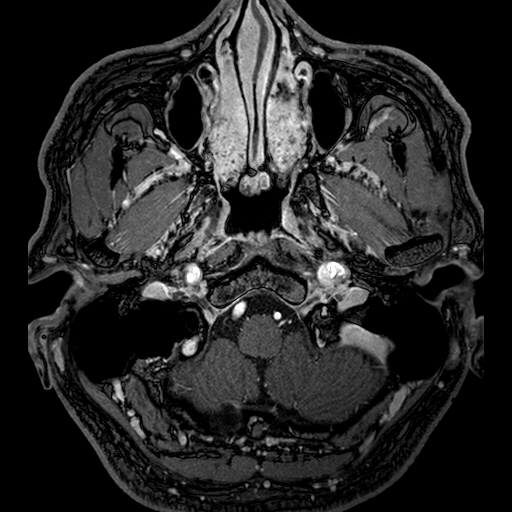
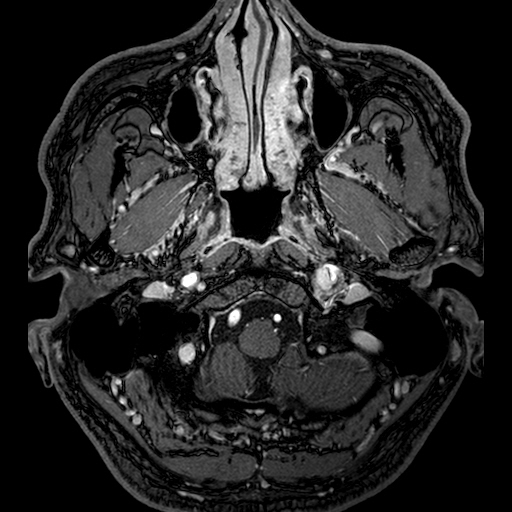
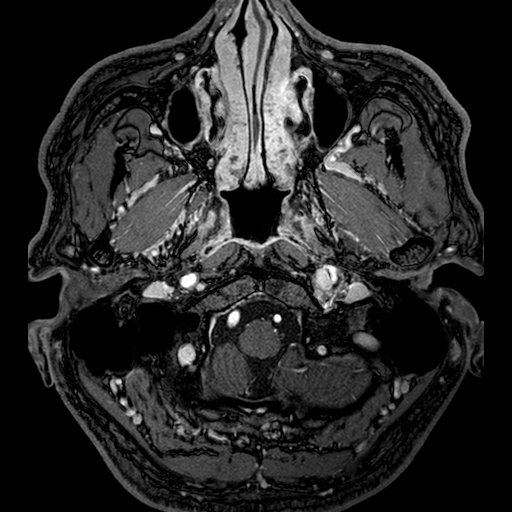
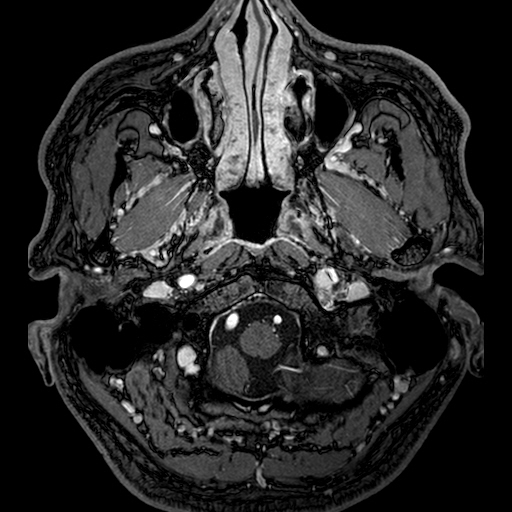
| Period | 2014-10-01~2014-10-31 |
|---|---|
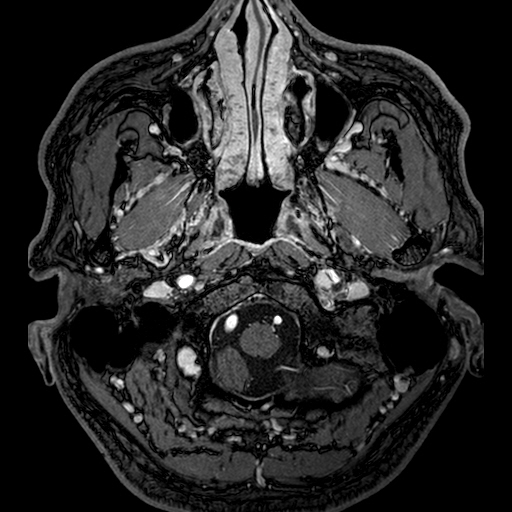
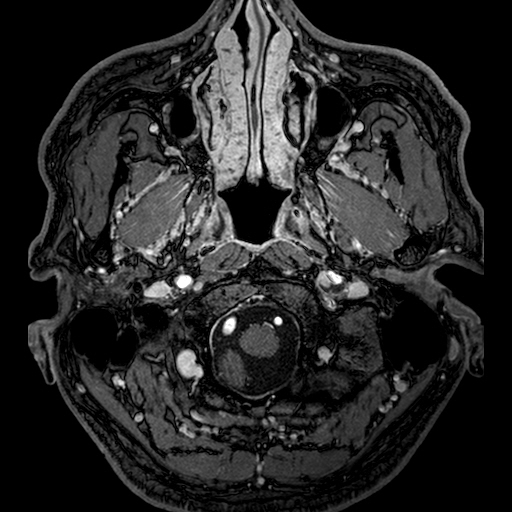
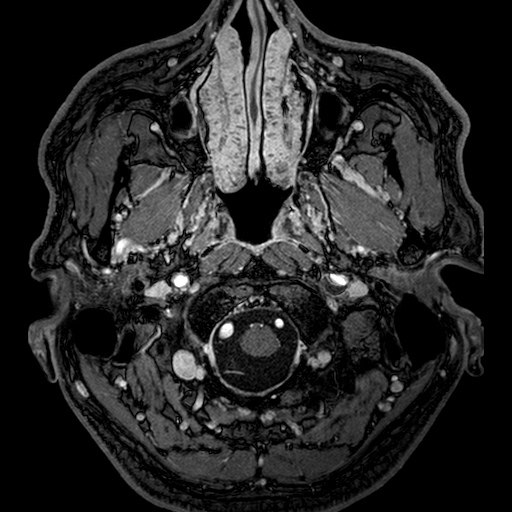
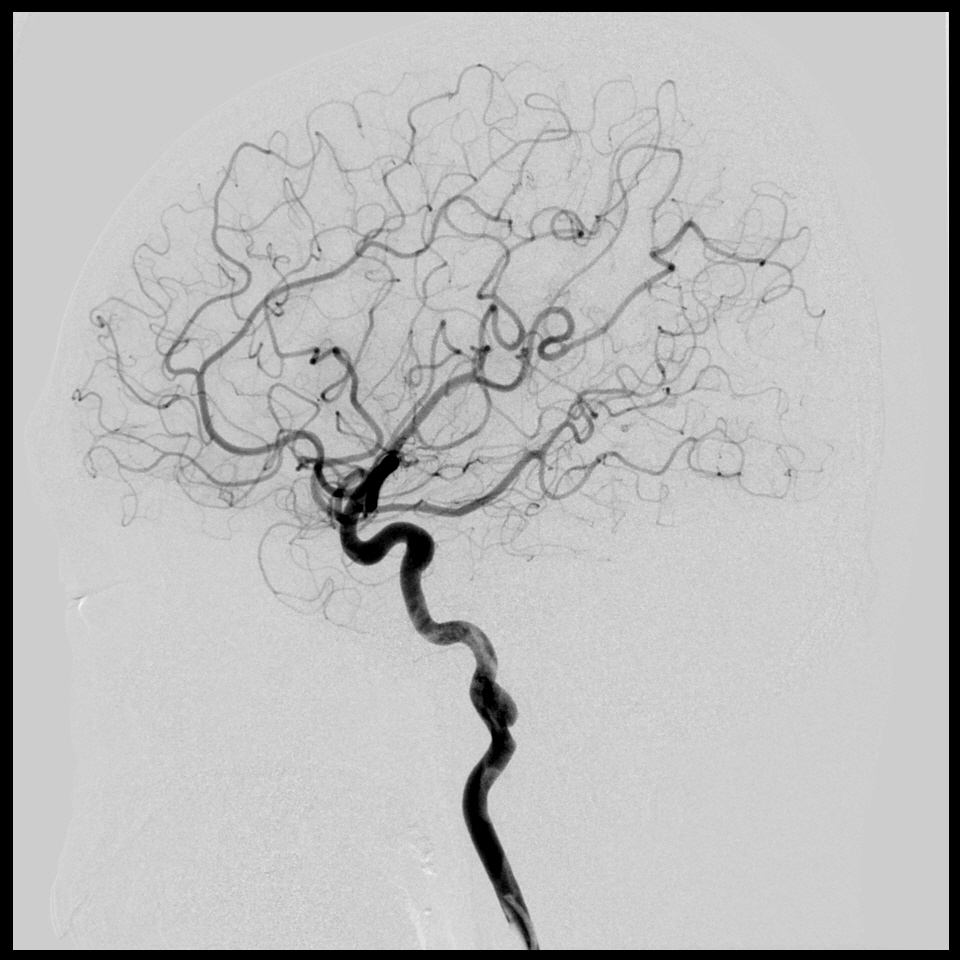
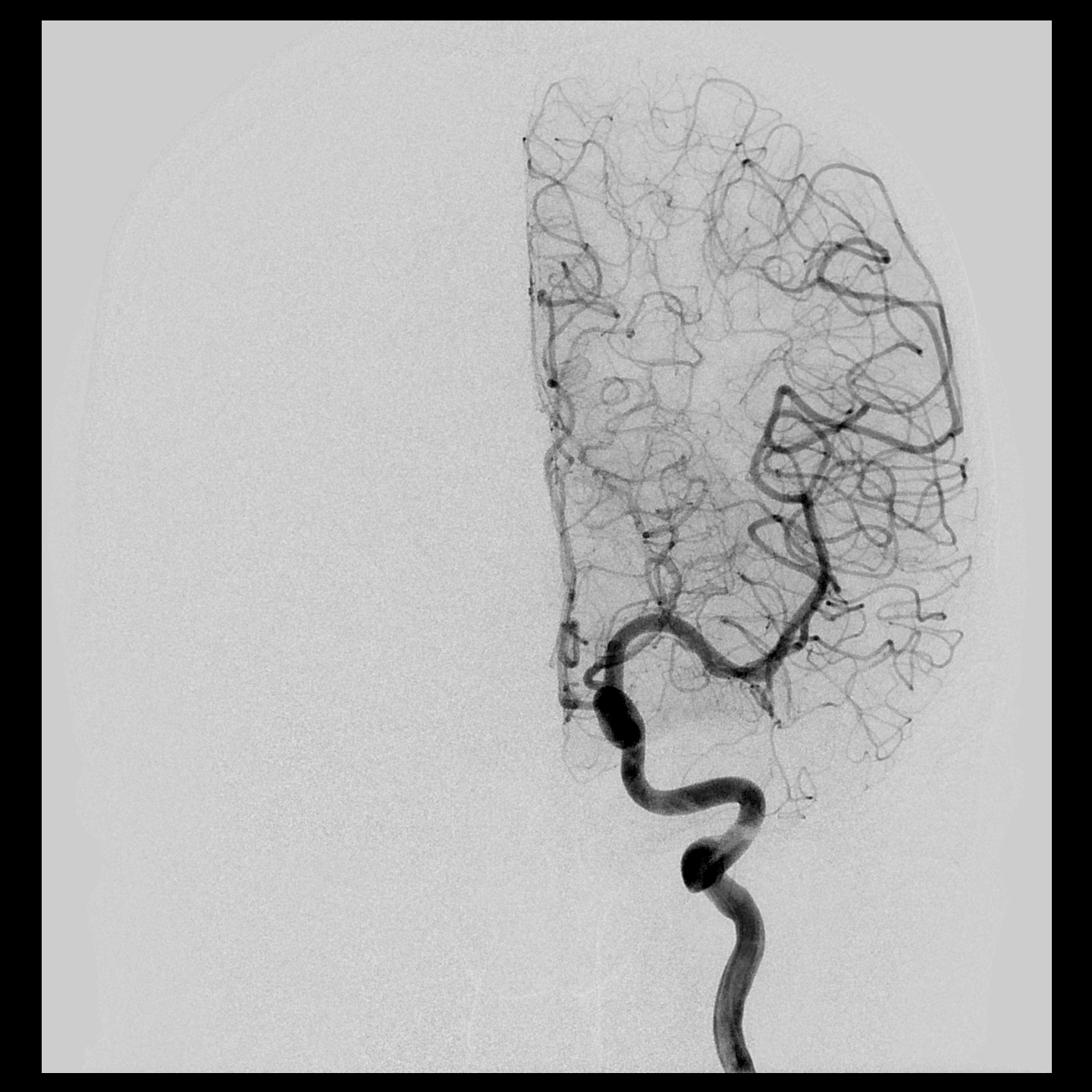
| Diagnosis | Hypoglossal neuropathy caused by dissecting aneurysm |
| Clinical information | 46/M C.C: Left tongue deviation (onset: 1 week ago) P/E: Left tongue deviation, left genioglossus muscle weakness |
| Discussion | MR: 1. Increased signal intensity of left hypoglossal nerve, distal to the exit zone of left hypoglossal canal. 2. Dissecting aneurysm with thrombosis involving petrous segment of left ICA. 3. Suspicious compression of left hypoglossal nerve between occipital condyle and left petrous ICA. Diagnosis: Hypoglossal neuropathy caused by dissecting aneurysm Disease review: Hypoglossal nerve Mainly motor function Few proprioceptive fiber from the tonge pass through hypogloosal nerve and terminate in the trigeminal nuclei Intrinsic and extrinsic tongue muscles except palatoglossus (pharyngeal plexus) Close relationship of structures within the carotid sheath Lower cranial nerve palsy Unusual in carotid dissection Hypoglossal palsy : 5% Isolated, associated with IX-XIth nerves (Collet-Sicard syndrome) Dissection may impair blood supply through the nutrient artery to the cranial nerve, by mechanical, hemodynamic or embolic mechanism References> 1. R. Shahab, M.D., F.R.C.S., L. E. Savy, BSc, M.B. B.S., F.R.C.R., C. B. Croft, F.R.C.S., F.R.C.S., T. Hung, F.R.C.S. Isolated hypoglossal nerve palsy due to internal carotid artery dissection The Journal of Laryngology & Otology July 2001, Vol. 115, pp. 587.589 2. Mokri B, Silbert PL,Schievink WIPiepgras DGCranial nerve palsy in spontaneous dissection of the extracranial internal carotid artery Neurology. 1996 Feb;46(2):356-9 |
| Correct answer |
Correct Answer
Semi-Correct Answer |