HOME > Weekly Case > Weekly Case
Weekly Case
종결
Case No. 327
2014-01-01~2014-01-31
출제자 : 최진욱
Hit : 342
| Period | 2014-01-01~2014-01-31 |
|---|---|
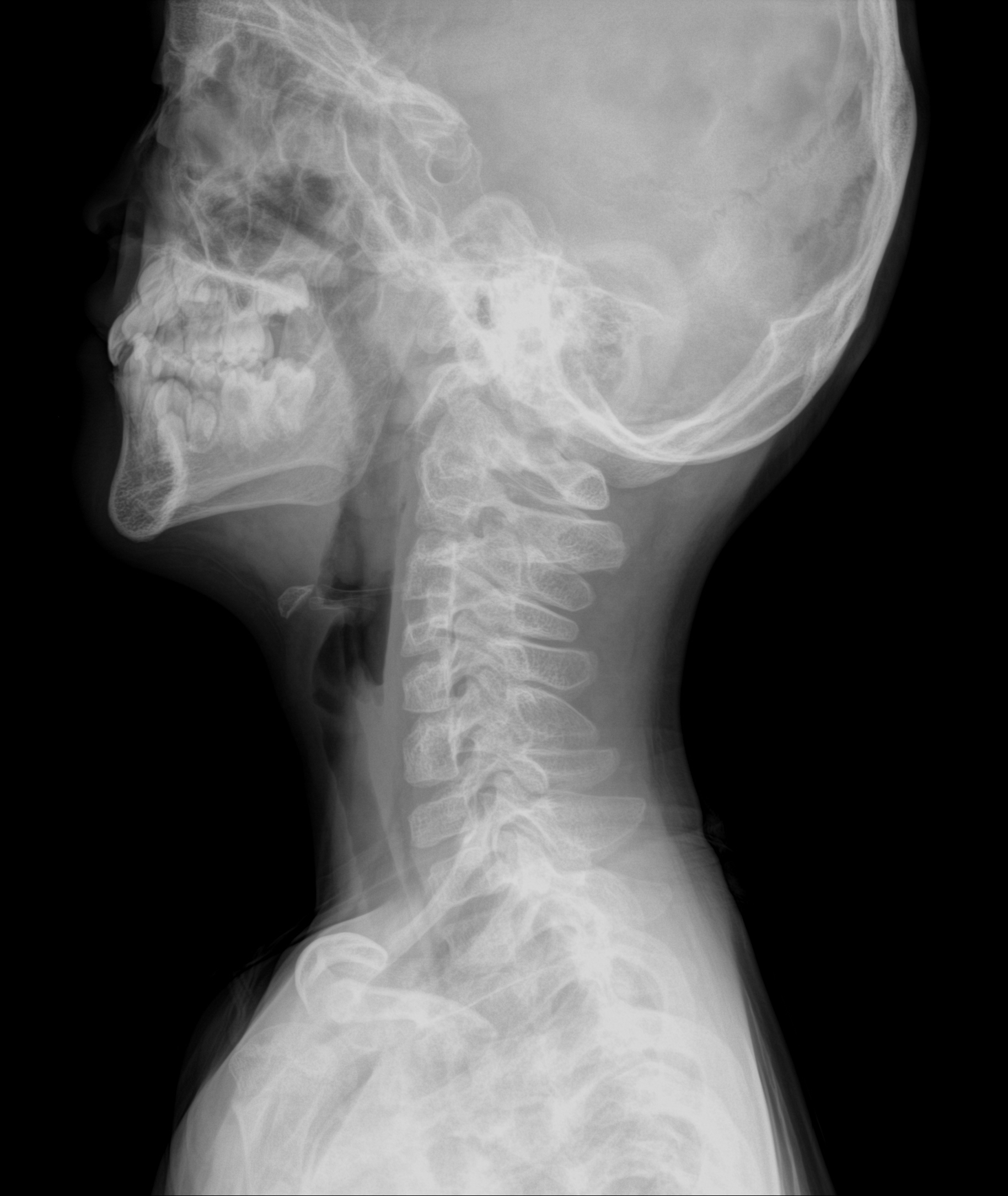
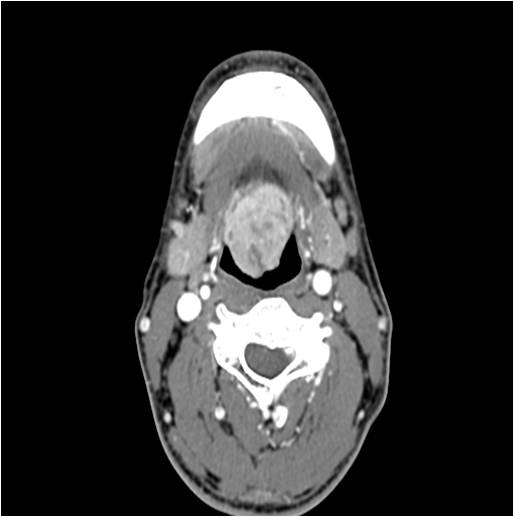
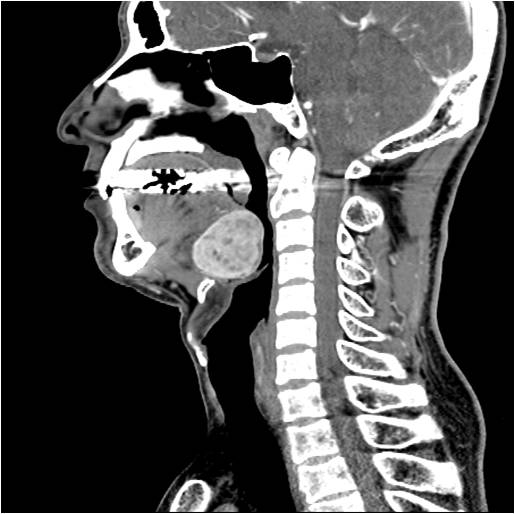
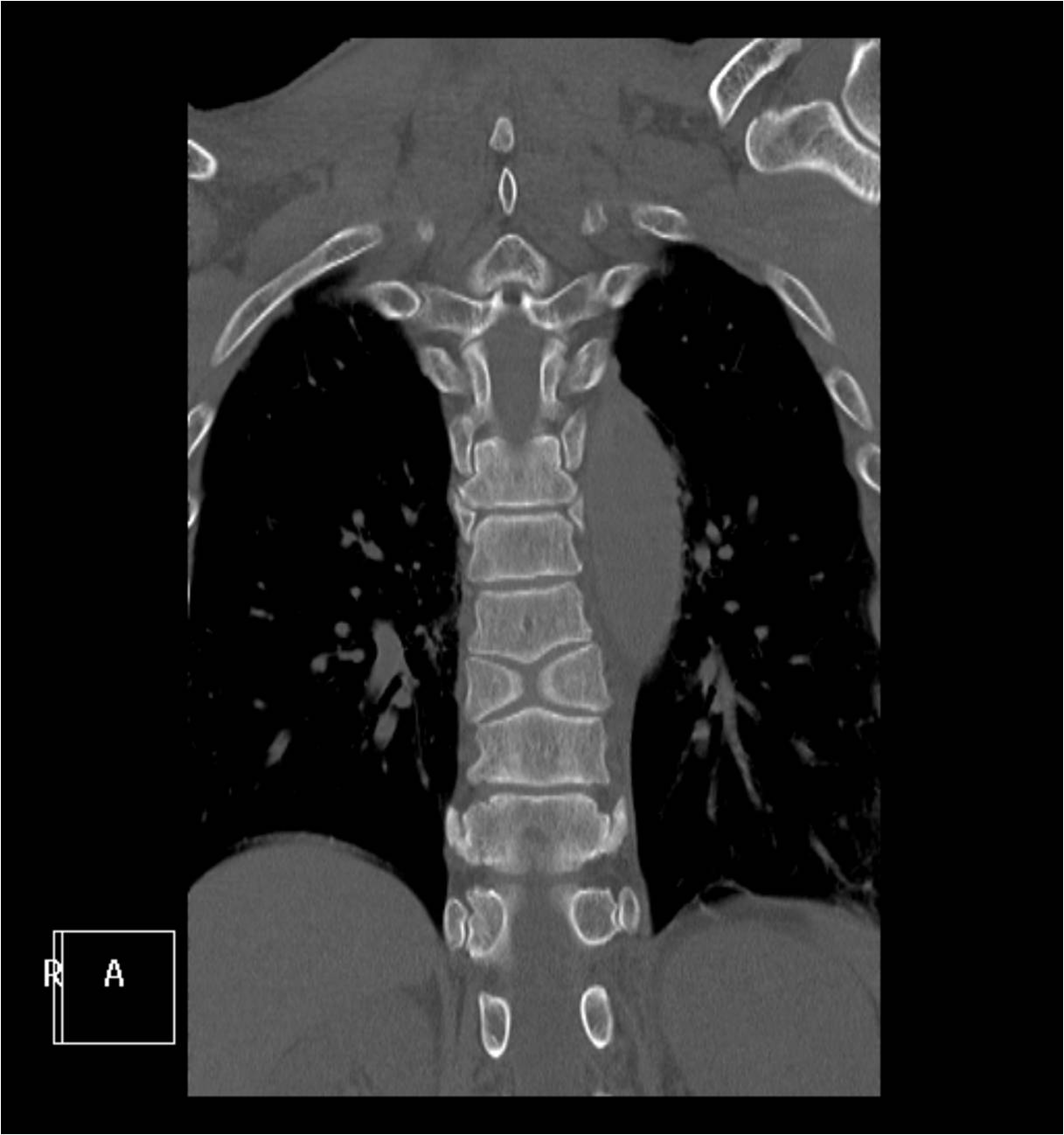
| Diagnosis | Proteus Syndrome |
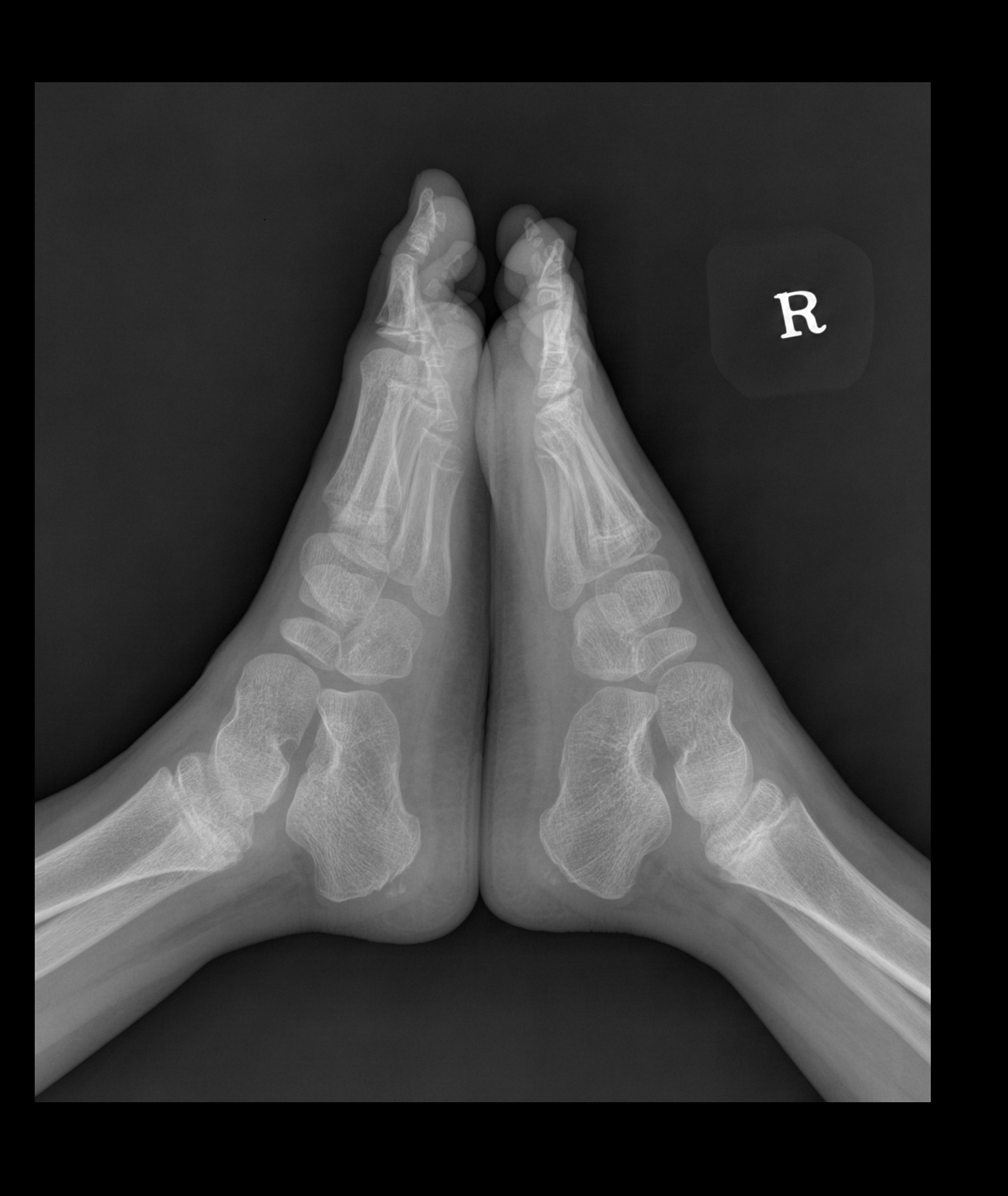
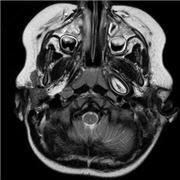
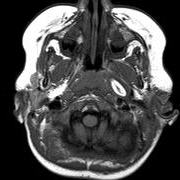
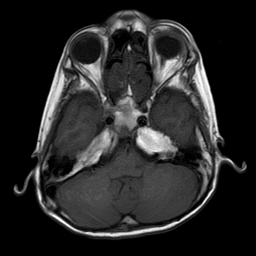
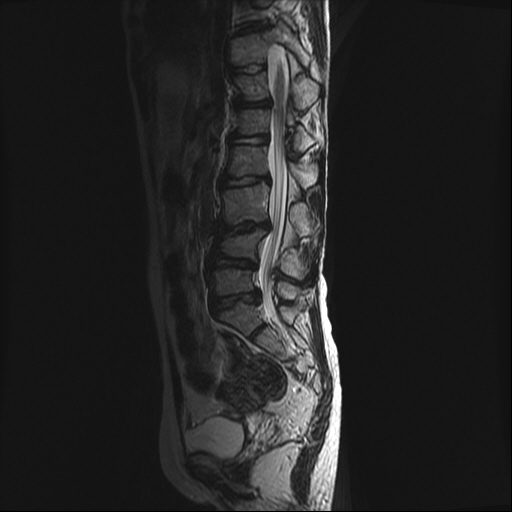
| Clinical information | F/5 2세 때 EAC stenosis 로 ENT 에서 cranioplasty 진단은? |
| Discussion | Proteus Syndrome Rare congenital disorder that produces multifocal overgrowth of tissue. Signs of this sporadic syndrome - Overgrowth of the long bones - Asymmetric macrocephaly - Striking vertebral anomalies - Hyperostosis - Partial gigantism of hands or feet - Limb asymmetry - Connective-tissue nevi - Lipomas - Vascular malformations A hallmark of the disorder is the random or mosaic distribution of its manifestations throughout the body. Infants affected by the disorder usually appear normal or show only mildly asymmetric development at birth but progressively develop the characteristic features of the disease during childhood. The disease commonly progresses rapidly in childhood but may slow or stabilize during early adolescence. Premature death is not uncommon. The most common causes of premature death in Proteus syndrome are pulmonary embolism and respiratory failure. Predisposing factors for pulmonary embolism in these patients - vascular malformations, surgical convalescence, very restricted mobility The cause of Proteus syndrome is as yet unknown - Genetic mutation that is viable only in a mosaic state has been postulated. Such a mutation could affect local production or regulation of tissue growth factor receptors. - This theory would explain the sporadic nature of the syndrome, its occurrence in various ethnic groups and both sexes, and its interindividual variability, as well as the mosaic pattern of lesion distribution in all who are affected. Manifestation - Progressive skeletal abnormalities such as macrodactyly, scoliosis, asymmetric overgrowth, and limb length discrepancy are the most frequent and striking findings - Soft-tissue abnormalities such as fatty, muscular, and vascular malformations - Visceral anomalies such as splenomegaly, asymmetric megalencephaly, white-matter abnormalities, and nephromegaly |
| Correct answer |
Correct Answer
Semi-Correct Answer |